
Guide
Why a Garage Door Goes Off Track Here
Winter Haven homes built mostly in the 1980s and 90s show track problems tied to age and hardware, not weather. Here's what actually causes it and what to check first.
Local detail
How Local Conditions Play In
Winter Haven sits in a mild temperate band, so you don't get the freeze-thaw heaving or the deep summer-to-winter swings that crack slabs and twist track brackets in other parts of the country. That's the good news. The bad news is that mild weather means nobody thinks about the garage door until it's already off track, because there's no cold snap or storm season forcing a seasonal check.
Across the 27 named communities in this service area, from Inwood two miles out to Fort Meade twenty, the climate itself isn't the enemy. The track brackets loosening, the rollers wearing thin, the hardware fatiguing over decades of daily use - that's the actual driver, and it happens whether the door gets used once a day or six times. Humidity plays a smaller role here than in colder climates: less condensation on cold steel, less rust migration into the track seams.
So when a door here jumps track, it's almost never a weather event. It's mechanical wear that had years to build up quietly, unnoticed, because nothing forced anyone to look.
The area
What to Look At First
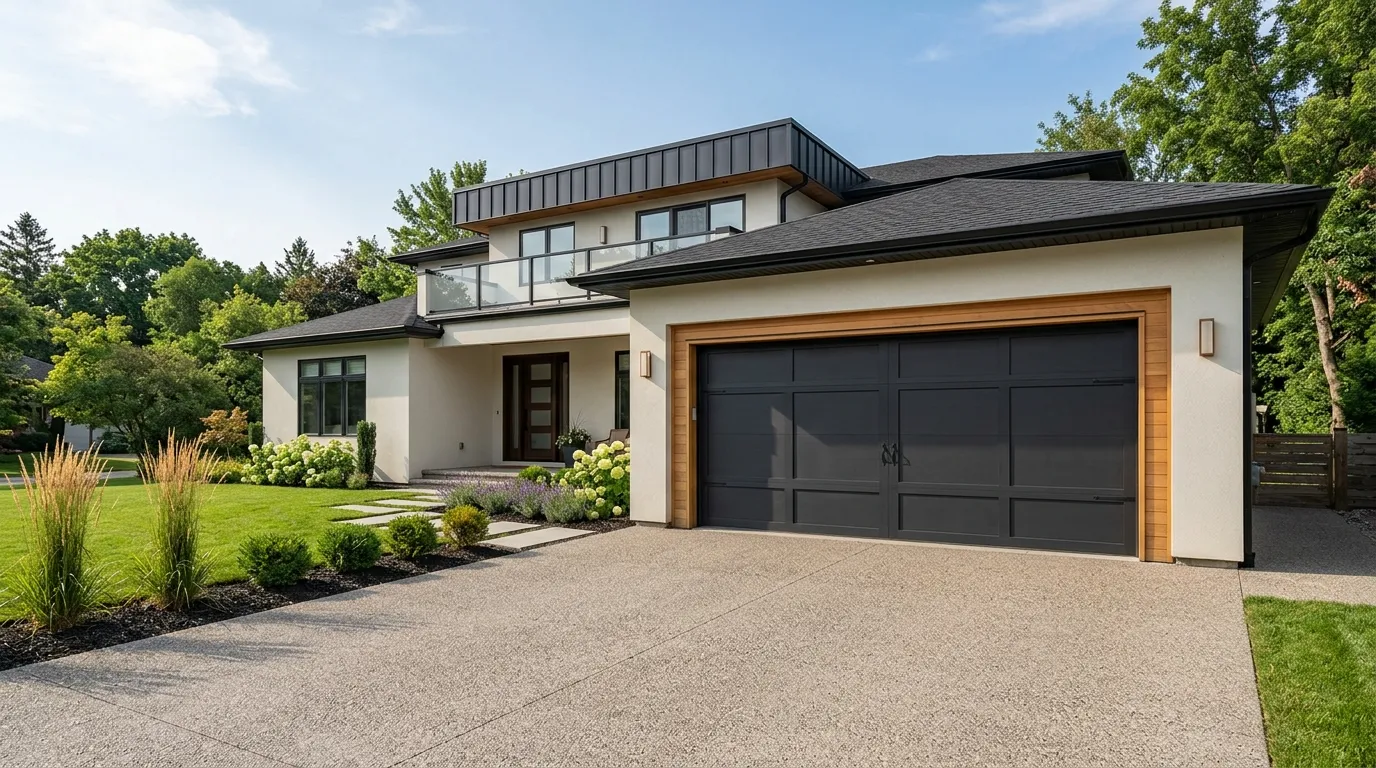
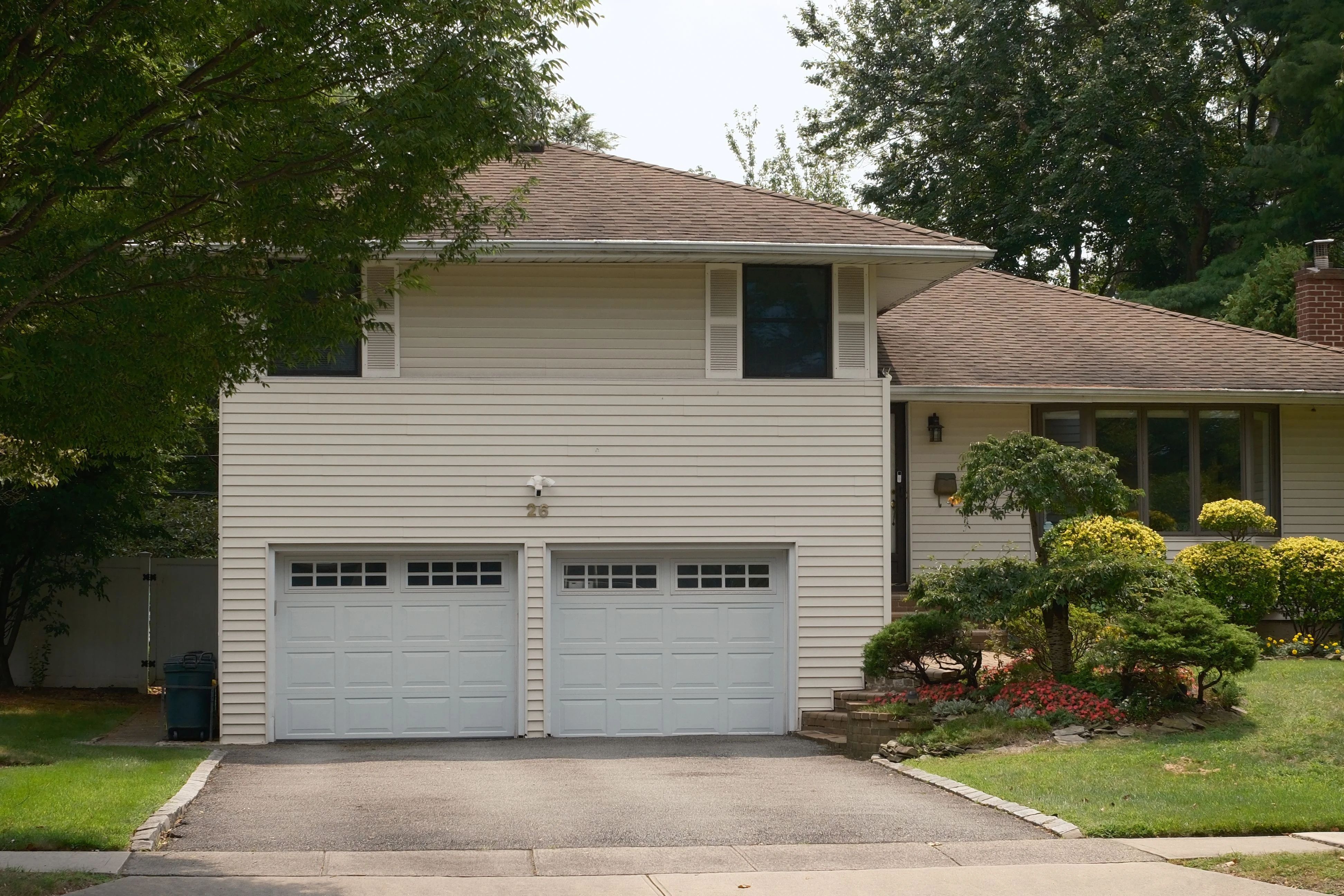
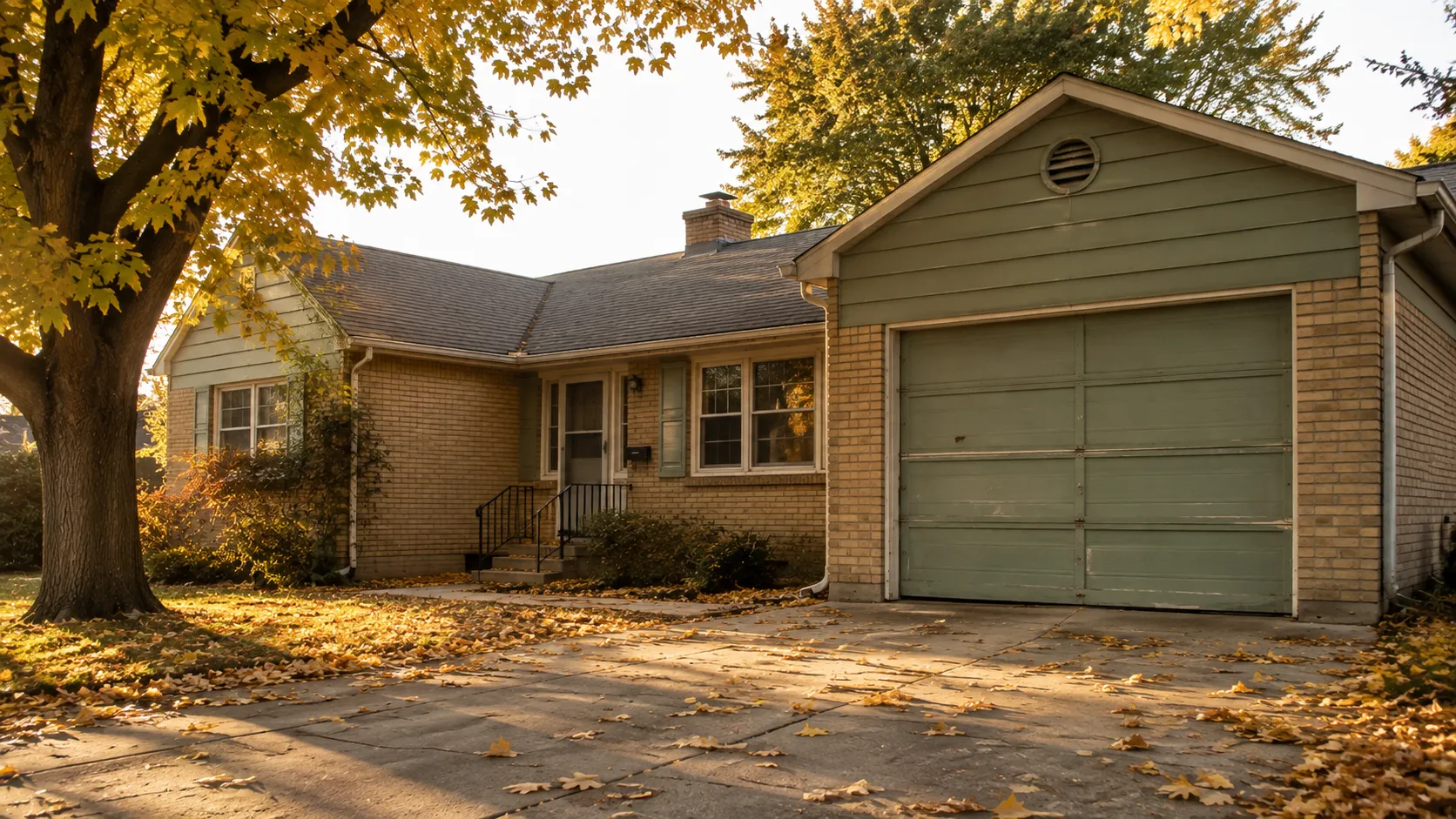
Given housing across this area runs from 1950 through 2012 with a median build year around 1986, most doors and their original hardware are pushing three to four decades old, sometimes with a replacement door bolted onto original track and brackets from the 80s or 90s stock that makes up most of the neighborhoods here. Start at the brackets holding the vertical track to the frame. On a house from that era, these are the first thing to work loose - repeated door cycles slowly walk the lag screws out of aging framing. Next, look at the rollers themselves.
Original steel rollers on a house this old are usually worn oval instead of round, and an oval roller rides the track unevenly until it jumps the rail. Check the track alignment with a level, not by eye - even a quarter inch of lean at the top accumulates into a real derailment lower down. If the door is original to a 1986-built house, the spring and hinges are also past their expected life and worth a look while you're in there.
What we find
The Situation
With roughly 43,710 owner-occupied houses among 80,516 households across this area, and a median household income of $59,346, a lot of homeowners here are weighing a repair against a full door replacement on a fixed budget. That math matters for a track problem specifically, because a door that's jumped track once on old hardware is a door that's likely to do it again. Tightening a bracket and re-seating the door gets you running today, but if the rollers are original to a house built decades ago, you're back at this same call within a year or two.
We won't tell you to replace a door that just needs a bracket reset - that's a straightforward fix and we'll say so on site. But we also won't pretend a full hardware rebuild on a door that old is a one-time cost. It usually isn't, and it's worth knowing that going in rather than being surprised by it later.
How we work
Where People Go Wrong
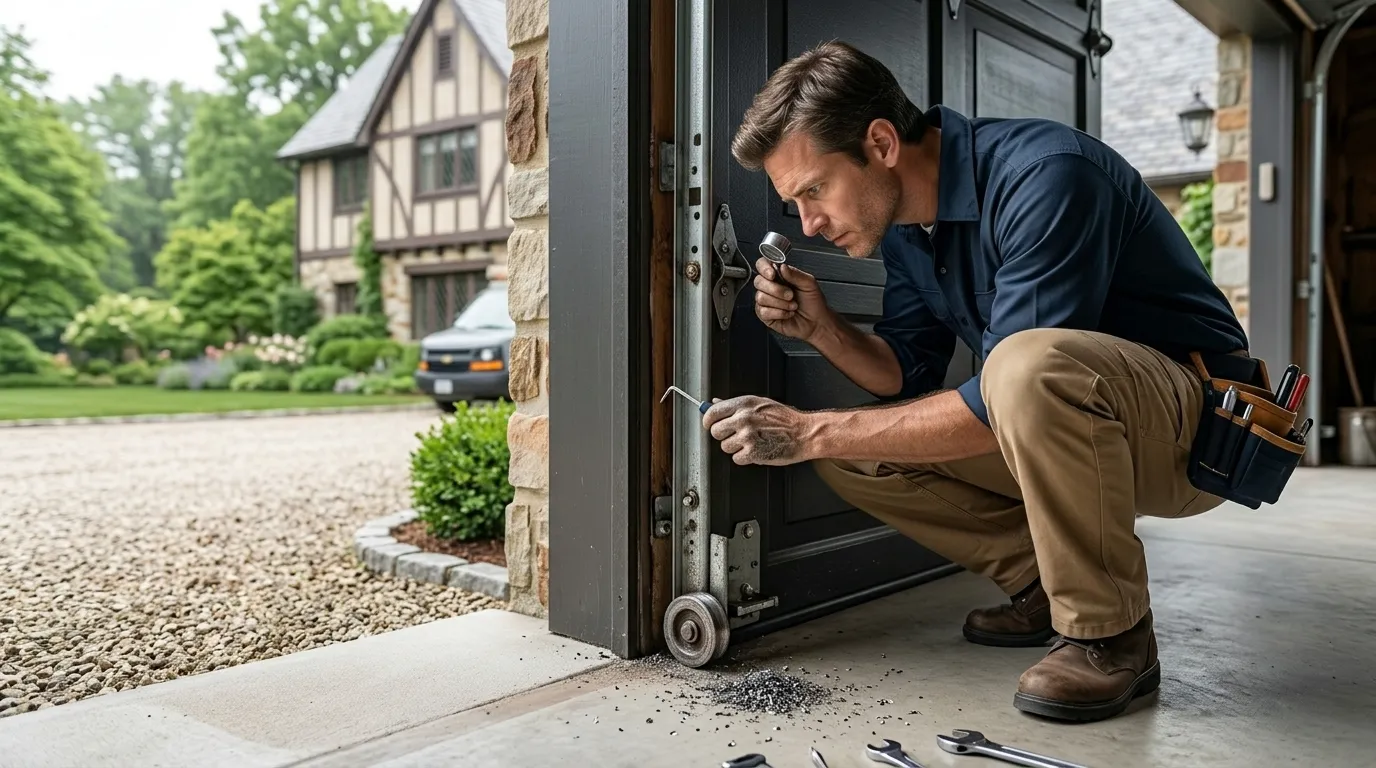
The most common mistake is trying to force a derailed door back onto the track by hand, then running the opener to see if it clears. On a door with worn rollers or a loosened bracket, that usually bends the track further out of alignment or snaps a roller stem, turning a bracket tightening into a full track replacement. The second mistake is assuming a jumped track means the whole door is bad. Often it's one bracket and a pair of rollers - inexpensive parts on their own.
The third: ignoring it because the door still opens most of the time. A door that occasionally binds or jumps is telling you the track is already out of true, and running the opener against a misaligned track puts uneven load on the cables and spring too. One honest limit here - if the track itself is bent rather than just loose, straightening it rarely holds for long; at that point replacing the track section is the more reliable fix, even though it costs more up front than a bracket adjustment.
Questions
Common questions
Is a garage door going off track a weather problem in Winter Haven?
Not usually. The mild temperate climate here doesn't put the same stress on garage door hardware that freeze-thaw regions see. When a door here jumps track, it's almost always mechanical wear - worn rollers, loosened brackets, or track that's drifted out of alignment over years of use.
My house was built in the 1980s. Is that relevant?
Yes. Median housing in this area was built around 1986, and a lot of doors and track hardware are original to that era. Steel rollers wear oval over decades of cycles, and mounting brackets loosen in aging door frames. Age of the installation matters more here than any weather factor.
Can I push the door back onto the track myself?
You can usually see what's wrong, but forcing a door back on and running the opener risks bending the track further or snapping a roller stem. If the door has already jumped once, it's worth having someone look at the bracket and roller before you cycle it again.
Ready when you are
Need a garage door sorted in Winter Haven?
Winter Haven Garage Door Pros repairs and installs garage doors, springs and openers in Winter Haven, FL and the surrounding area.