
Broken Garage Door Springs
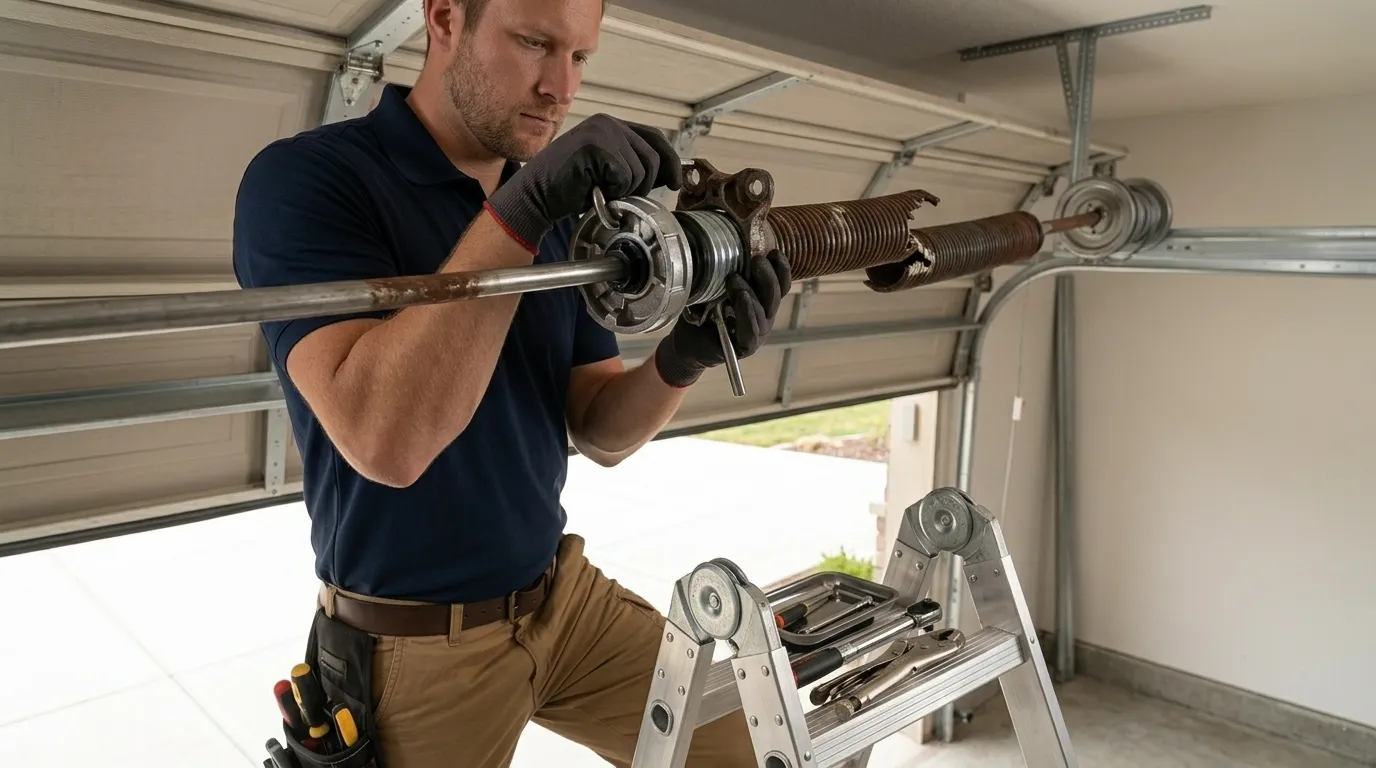
Garage door springs eventually reach the end of their useful cycle life after years of repeated opening and closing.
Local garage door service · Winter Haven, FL
Garage door repair and installation for Winter Haven homes built mostly between 1950 and 2012, covering emergency service, maintenance, opener repair, panel replacement, spring repair, and the mixed-generation garage door systems common across the area's 1980s- and 90s-heavy housing stock.
Garage door services
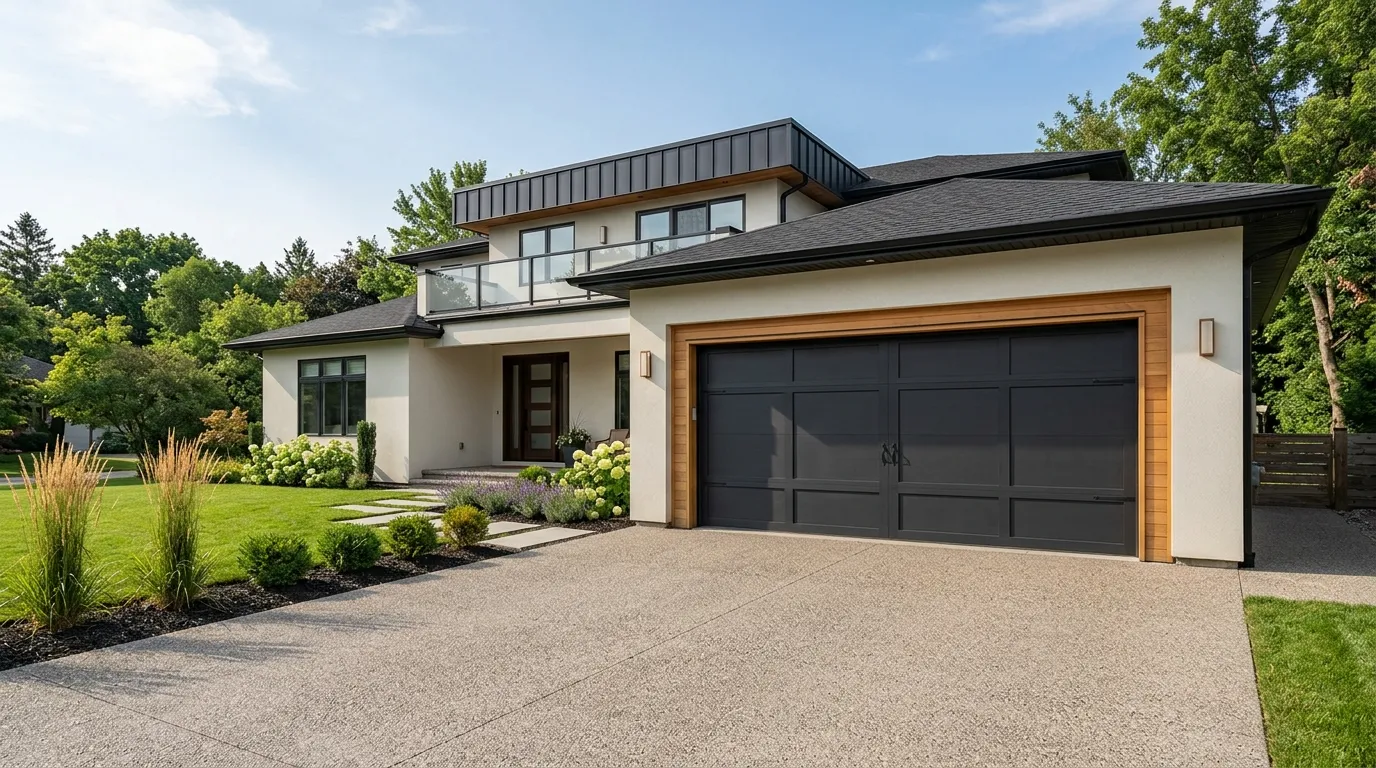
From emergency repair and installation to maintenance, opener repair, panel replacement, spring repair, and general garage door service, the lineup is built around the systems common across Winter Haven's mixed-age housing stock.
Winter Haven + surrounding communities
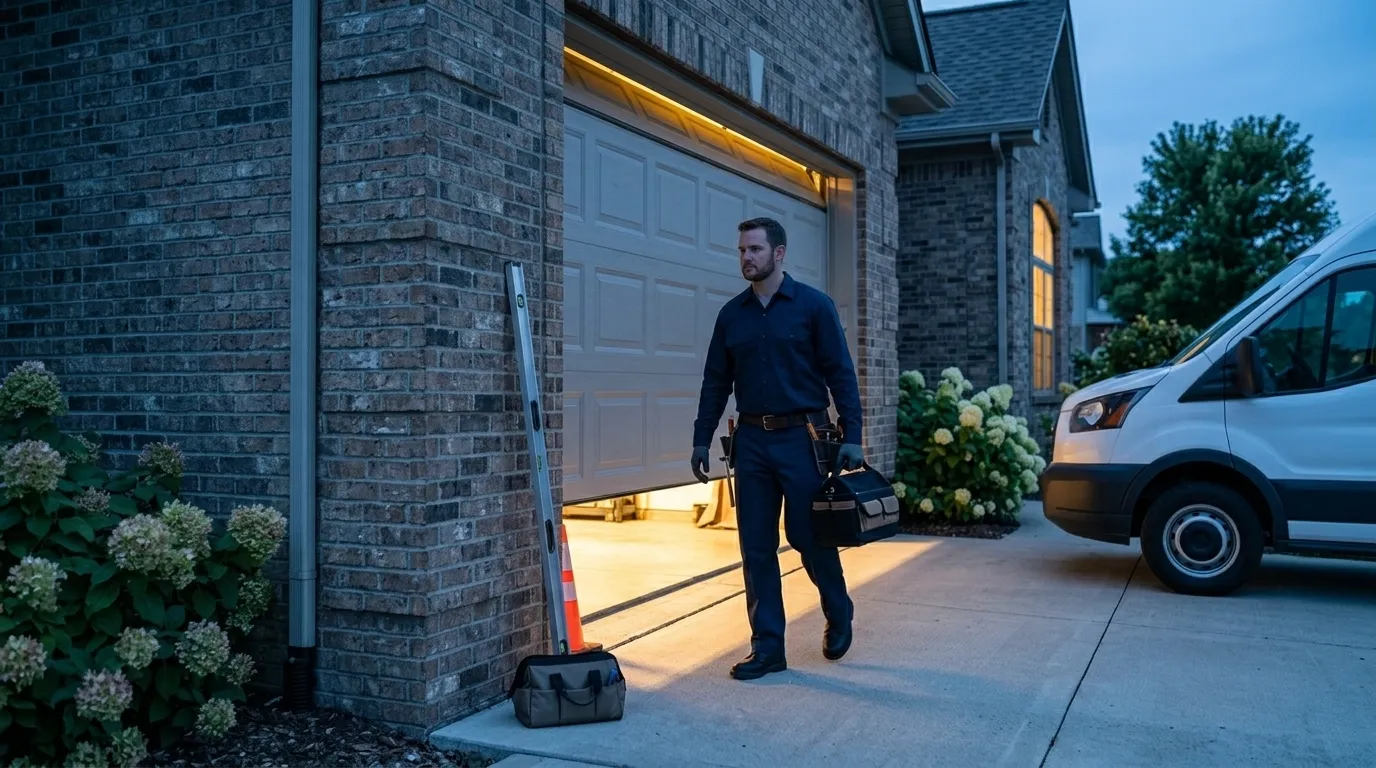
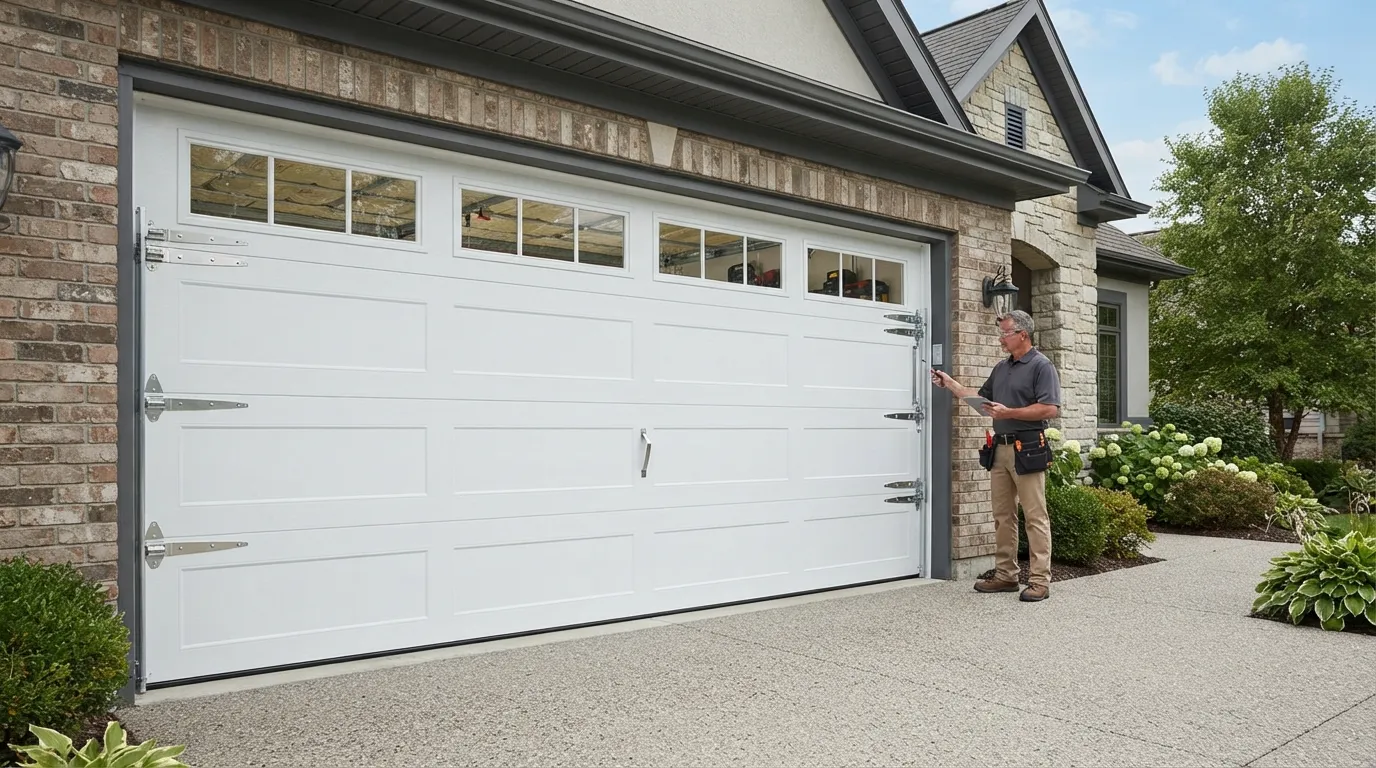
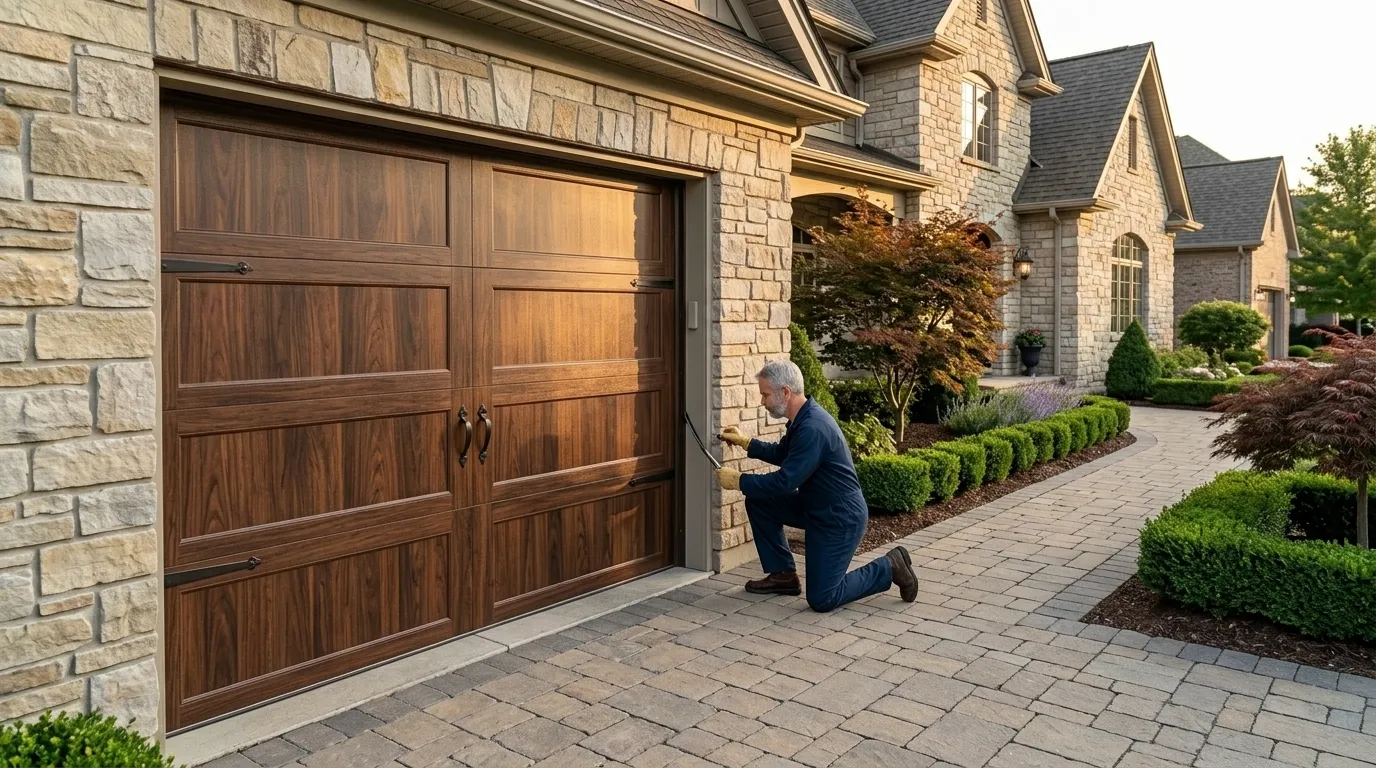
The broad Winter Haven-area footprint extends from nearby communities such as Cypress Gardens and Lake Alfred to Haines City, Bartow, and other surrounding towns.
Inwood sits about two miles away; Cypress Gardens, Lake Alfred, and Jan Phyl Village around four miles; and Auburndale around six.
Haines City is around eight miles from Winter Haven, while Bartow sits farther out at roughly twelve miles.
For this site's configured architecture, the homepage service-area list is limited to Auburndale, Bartow, Cypress Gardens, Haines City, Jan Phyl Village, and Lake Alfred.
Towns closer in usually get faster scheduling, while jobs toward the far edge of the range are scheduled around closer work first.
Clear repair guidance
There isn't one flat repair price, because spring work, opener repair, panel replacement, installation, maintenance, and other jobs involve different parts and labor.
Spring type, door weight, panel construction, opener age, track access, track condition, and parts availability can all change the repair scope.
Older garages can have different headroom and side-clearance conditions, which may affect labor and hardware compatibility.
Median household income across the broader service area runs around $59,346, but the price still comes from the door in front of us.
We inspect the actual door before giving a final quote rather than guess at a number without seeing the installed system.
What to expect
We inspect the whole door, identify the actual failure in the context of the rest of the system, explain repair versus replacement, and set a clear parts expectation when specialty components need sourcing.
We check the spring system, tracks, opener, panels, cables, rollers, and surrounding hardware before deciding on the repair.
A broken spring, cable problem, damaged panel, or opener fault is evaluated in the context of the rest of the system.
If the door is otherwise sound, the repair can stay targeted. If several major components are failing together, replacement can be discussed instead.
Common repairs may be straightforward, while specialty insulated panels or older opener components can require additional sourcing.
Some Specialty Parts Need Ordering
Particular insulated panel styles and older opener parts may not be standard truck stock, which can add sourcing time.
Common Winter Haven garage door problems
Broken springs, cable and roller wear, opener problems, sensor issues, panel damage, and aging hardware make up much of the work across Winter Haven's mixed-age housing stock. Broken torsion springs are a recurring repair need across homes built throughout the area's 1950–2012 housing range; cable and roller wear develops on doors that have seen years of daily use without significant hardware updates; opener problems include sensor misalignment, logic-board issues, remote-control problems, and other age-related failures; and panel damage occurs after impact or when a door operates while another component is already binding. The correct repair depends on inspecting the complete system rather than assuming the first visible symptom is the only failure.
Garage door springs eventually reach the end of their useful cycle life after years of repeated opening and closing.
Cables can fray, loosen, slip, or fail after years of carrying repeated lifting loads.
Rollers can become noisy, rough, damaged, or resistant after years of regular track travel.
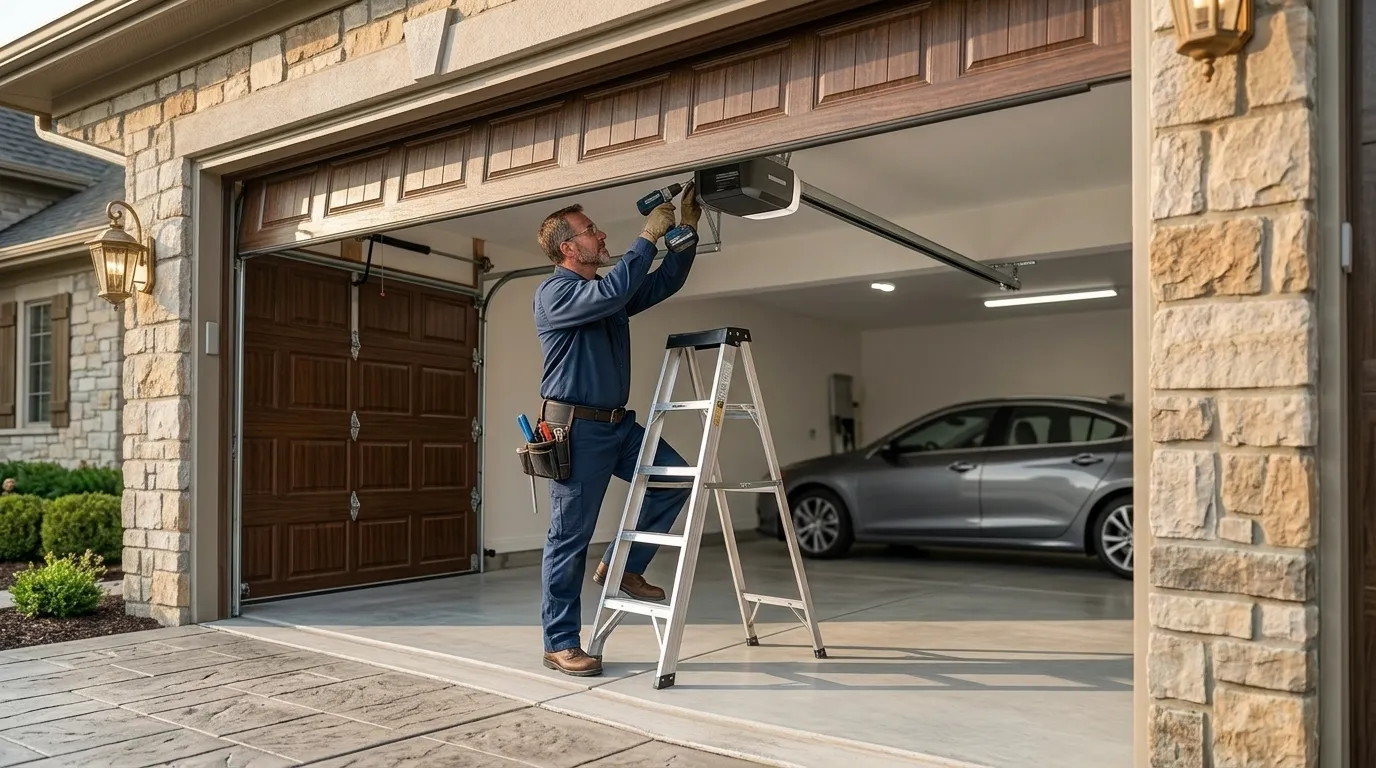
Older opener motors, gears, logic boards, sensors, controls, and remotes can eventually develop operating problems.
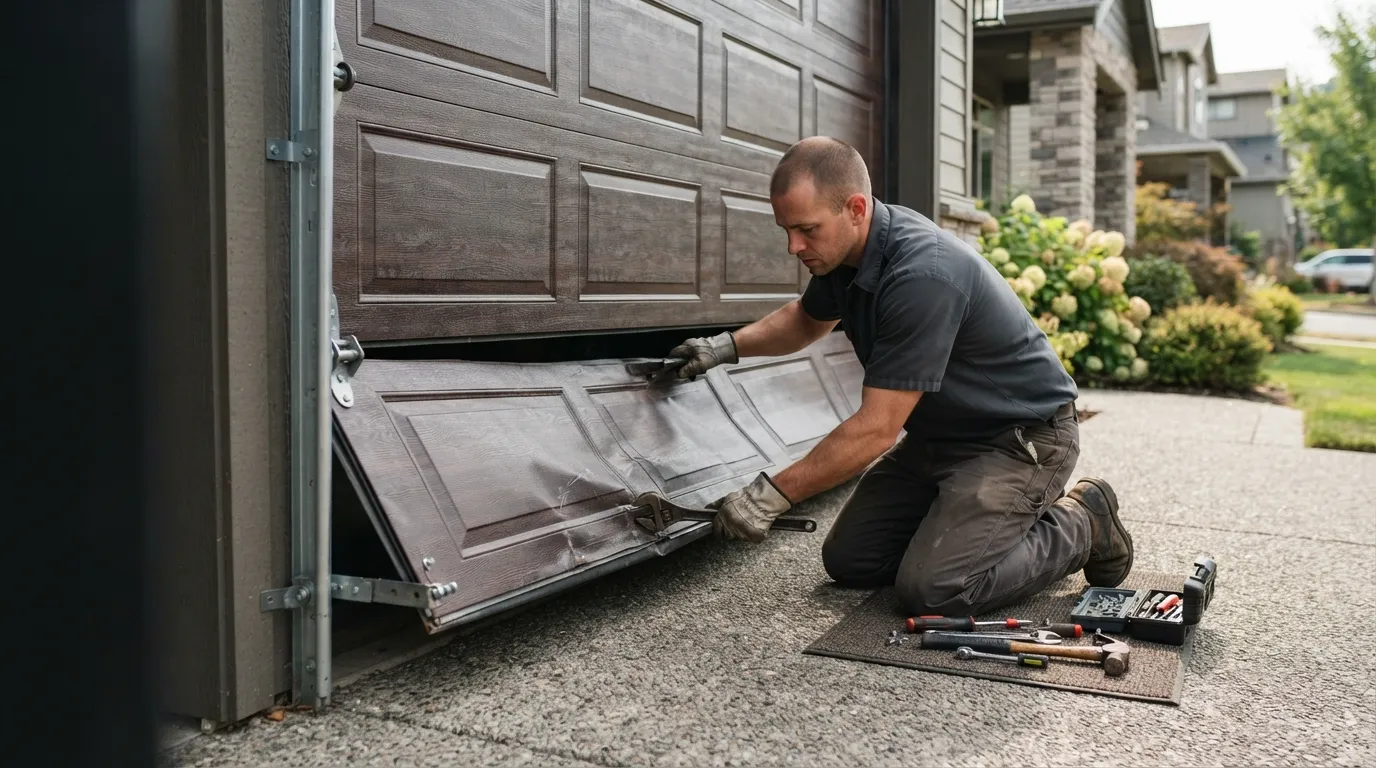
Bent, cracked, rusted, or structurally damaged panels may require section replacement when compatible parts remain available.
Local housing matters
The broader source service area spans homes built from 1950 through 2012, with a median build year around 1986 and much of the housing concentrated in the 1980s and 90s.
That creates a mix of older single-car garages, two-car garages from the 1980s and 90s, and newer residential systems using several generations of springs, tracks, panels, rollers, and opener hardware.
The broader area covers approximately 80,516 households, including about 43,710 owner-occupied houses.
Older garage layouts can have different headroom, side clearance, track configurations, or spring systems than newer construction.
The build year provides useful context, but the correct repair depends on the hardware actually installed today.
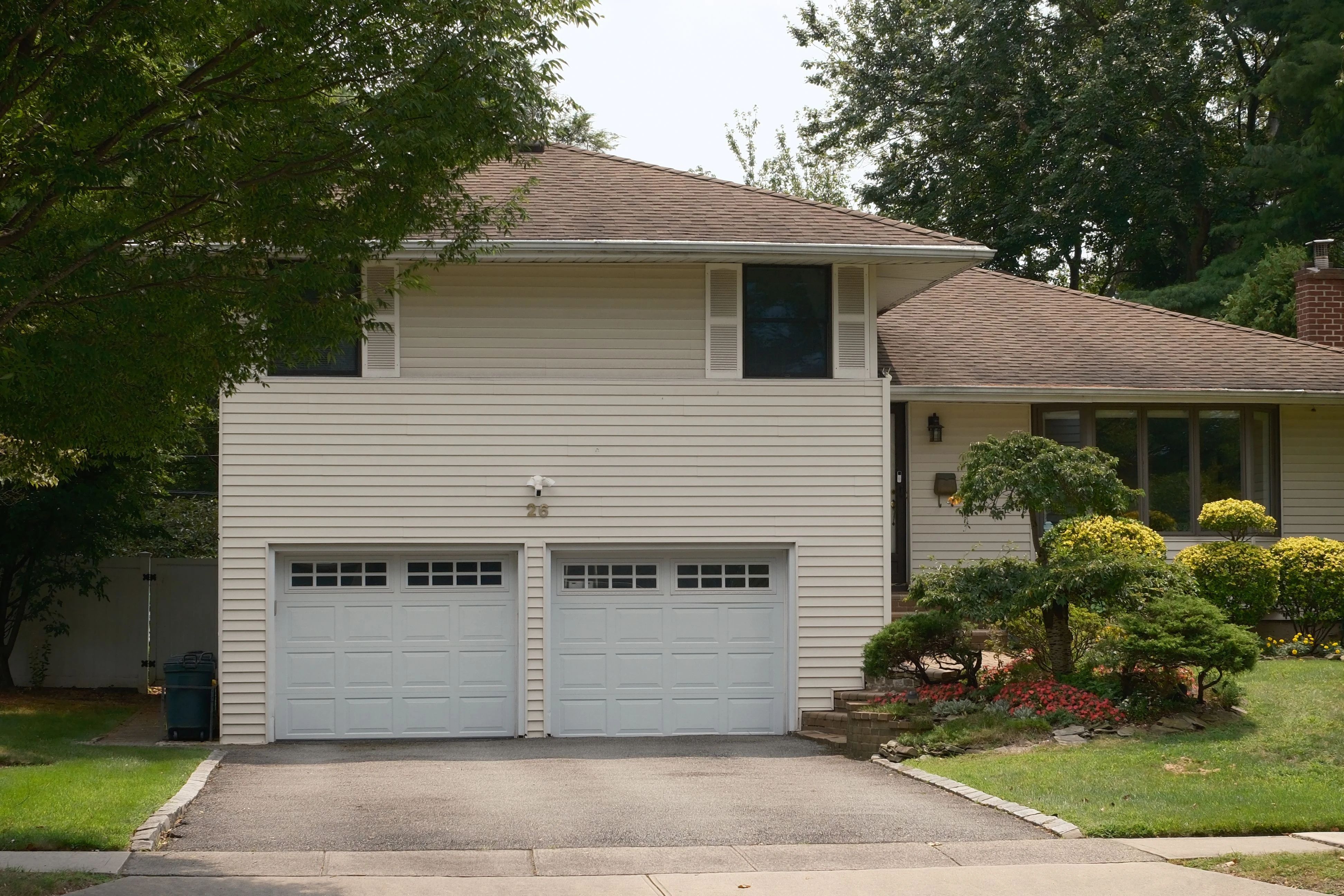
1950s–2010s garage door systems
The area's broad housing range means garages can combine extension springs, torsion systems, older tracks, replacement openers, insulated panels, and several generations of service work.
Both torsion and extension spring systems are relevant to the local garage door mix.
Earlier homes can have different headroom and side-clearance conditions than newer residential garages.
A garage may have a newer opener or panel while retaining older springs, tracks, cables, rollers, or brackets.
Homes toward the newer end of the 1950–2012 range can use insulated sectional doors and newer opener systems with different hardware needs.
Warm-climate garage door wear
Winter Haven has a mild temperate climate, so the focus is on long-term humidity, sun exposure, weather-seal aging, opener electronics, corrosion, and normal mechanical wear rather than extreme cold-weather failure.
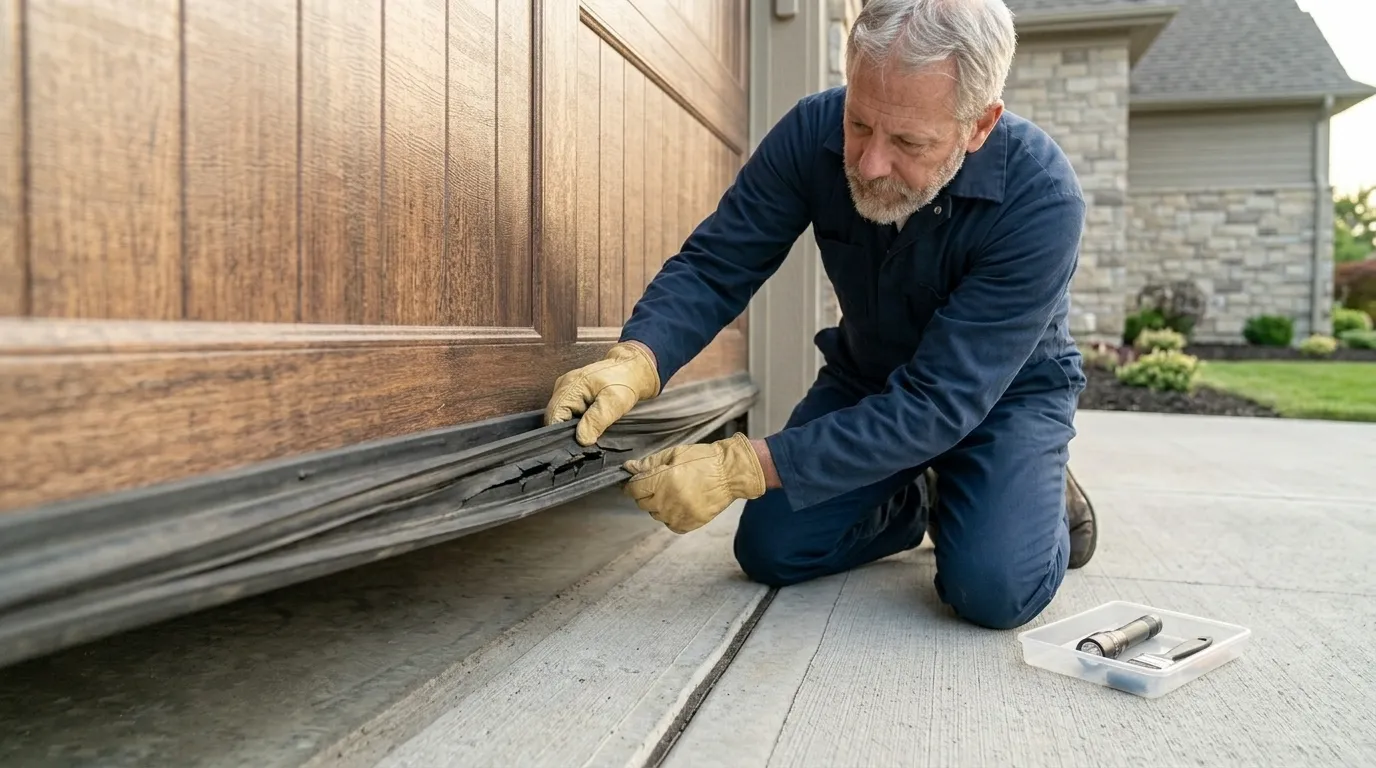
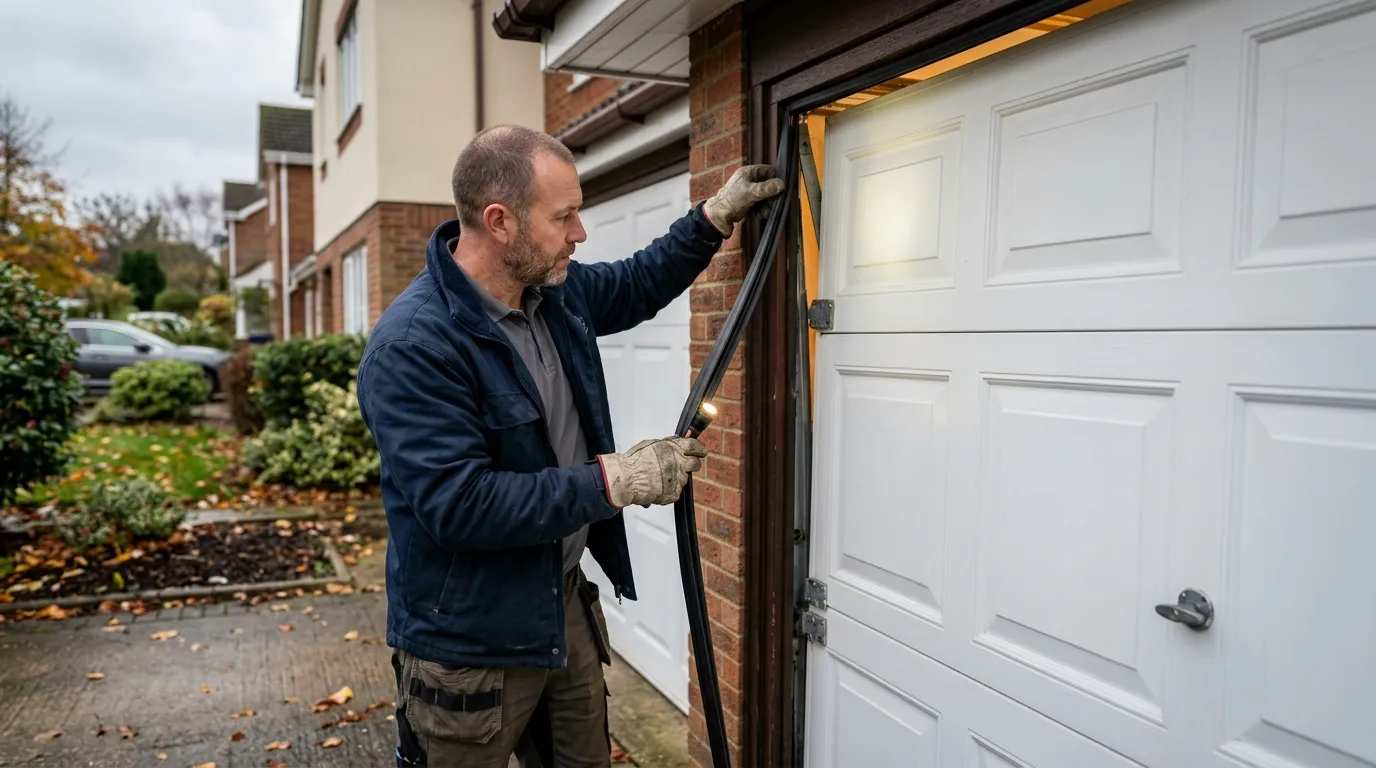
Long-term sun and warm-weather exposure can age rubber seals and weatherstripping over time.
Older opener boards, sensors, controls, and related electronics can develop age-related reliability problems over time.
Humidity and long-term moisture exposure can contribute to surface corrosion on exposed steel components.
Daily use can gradually wear rollers, bearings, hinges, and other moving hardware.
Keep the system moving
Periodic inspection can help identify spring fatigue, cable wear, roller problems, opener strain, track issues, weather-seal deterioration, and panel damage before a small issue becomes a complete failure.
Changes in door balance can indicate the spring system is no longer carrying the door as effectively as it should.
Fraying, rough travel, looseness, or visible roller wear can point to developing lifting and guidance problems.
Tracks, panels, hinges, and brackets can be checked for impact damage, movement, corrosion, or long-term wear.
Changes in sound, travel, reversing, sensor response, or remote operation can provide early signs of opener trouble.
Repair or replace?
A broken spring, cable, opener component, roller, or damaged panel doesn't automatically mean the complete garage door needs replacement. Replacement becomes more practical when tracks, panels, opener hardware, or several major components are deteriorating together.
A targeted repair can make sense when the panels, tracks, opener, springs, cables, and surrounding structure remain serviceable.
An older garage door can remain worth keeping when its structure is sound and the immediate failure is isolated.
Replacement becomes more practical when track damage and opener failure are combined with an aging overall system.
When panels, tracks, springs, opener components, and other major parts all require substantial work, broader replacement can offer better long-term value.

Service areas
Questions
Most houses in the area were built between 1950 and 2012, with the median landing around 1986. That means a lot of doors and openers are original to a house built in the 80s or 90s, which is well past the expected life of a torsion spring or an older opener's circuit board.
We don't add a flat surcharge, but travel time factors into scheduling. Towns closer in, like Inwood or Cypress Gardens, generally get faster slots than jobs 15–20 miles out toward Willow Oak or Fort Meade, simply because of drive time between calls.
The mild temperate climate here spares doors the frozen-track and snow-load issues colder regions deal with, but humidity and sun exposure still wear down weatherstripping, seals, and opener electronics over the years, especially on doors original to homes built decades ago.
Yes. A door pushing 30 years with a warped track and a failing opener usually isn't worth fixing piece by piece. We'll tell you plainly on the first visit if repair costs are going to stack up past what a replacement would run.
Ready when you are
Tell us what the door is doing and we'll help you figure out whether you're dealing with a spring, opener, panel problem, emergency issue, maintenance need, installation need, or another aging component in the system.