
Guide
What Actually Happens When We Come Look at Your Door
A straight look at what our techs check, adjust, and replace on a Winter Haven service call, and why the age of your door matters more than the brand.
Local detail
How Local Conditions Play In
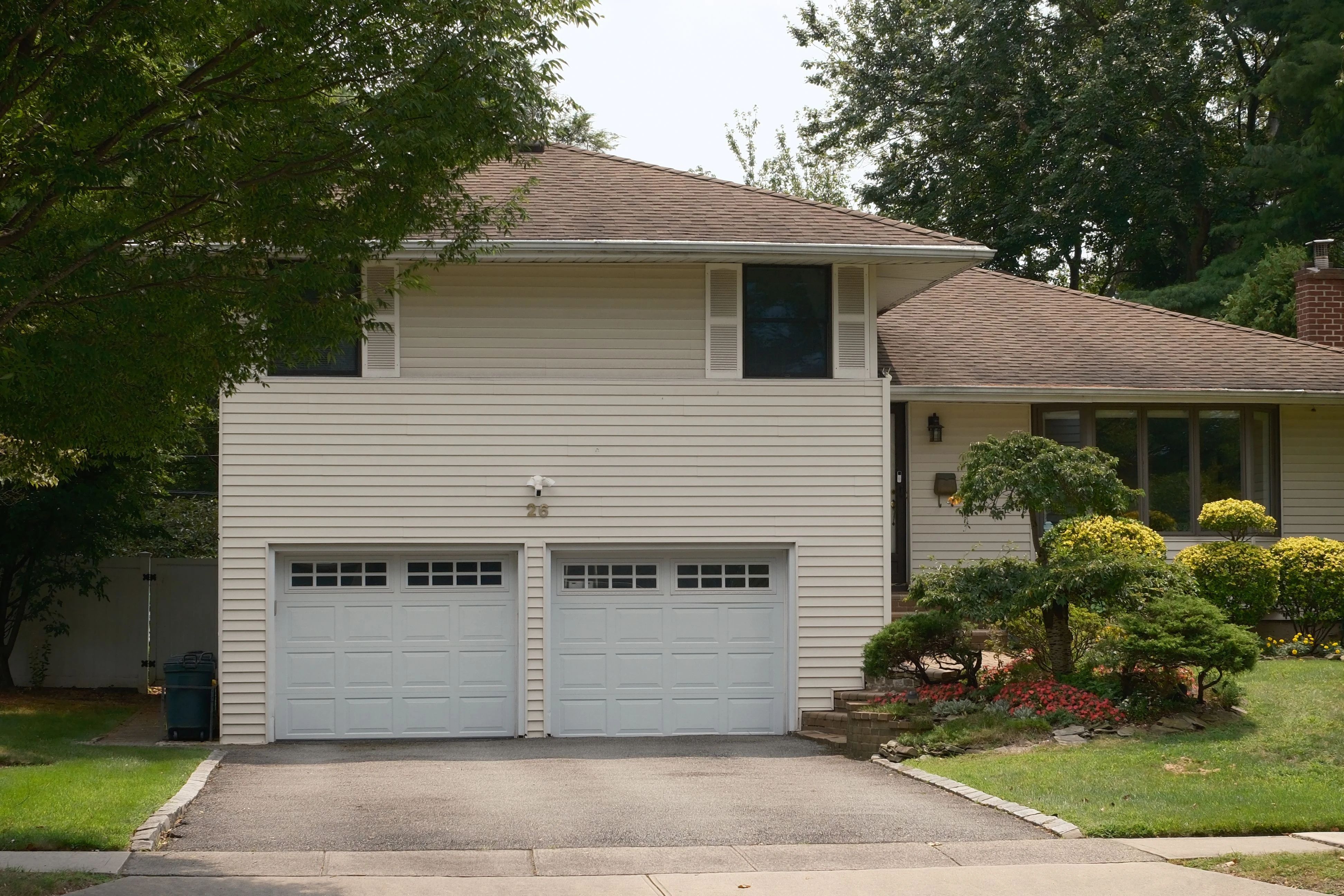
Winter Haven sits in a mild temperate band, so we're not fighting frozen tracks or ice-swollen panels the way a shop up north would. That changes what a service call is mostly about here: it's not de-icing hinges, it's dealing with age. Housing across the service area went up mostly between 1950 and 2012, with the median right around 1986, and the bulk of the stock across the 27 communities we run calls in dates to the 1980s and 90s. That means a service call in this area is usually about a door and opener system that's been sitting in a hot, humid garage for three or four decades, not a door fighting weather extremes.
Springs lose tension slower here than in a freeze-thaw climate, but they still lose it - just from cycle count and heat rather than ice. Openers from that era used chain drives and limit switches that don't match anything sold today, so part of the call is figuring out what you actually have before we figure out what's wrong with it. That's the local condition that matters most: not storms, age.
The area
What to Look At First
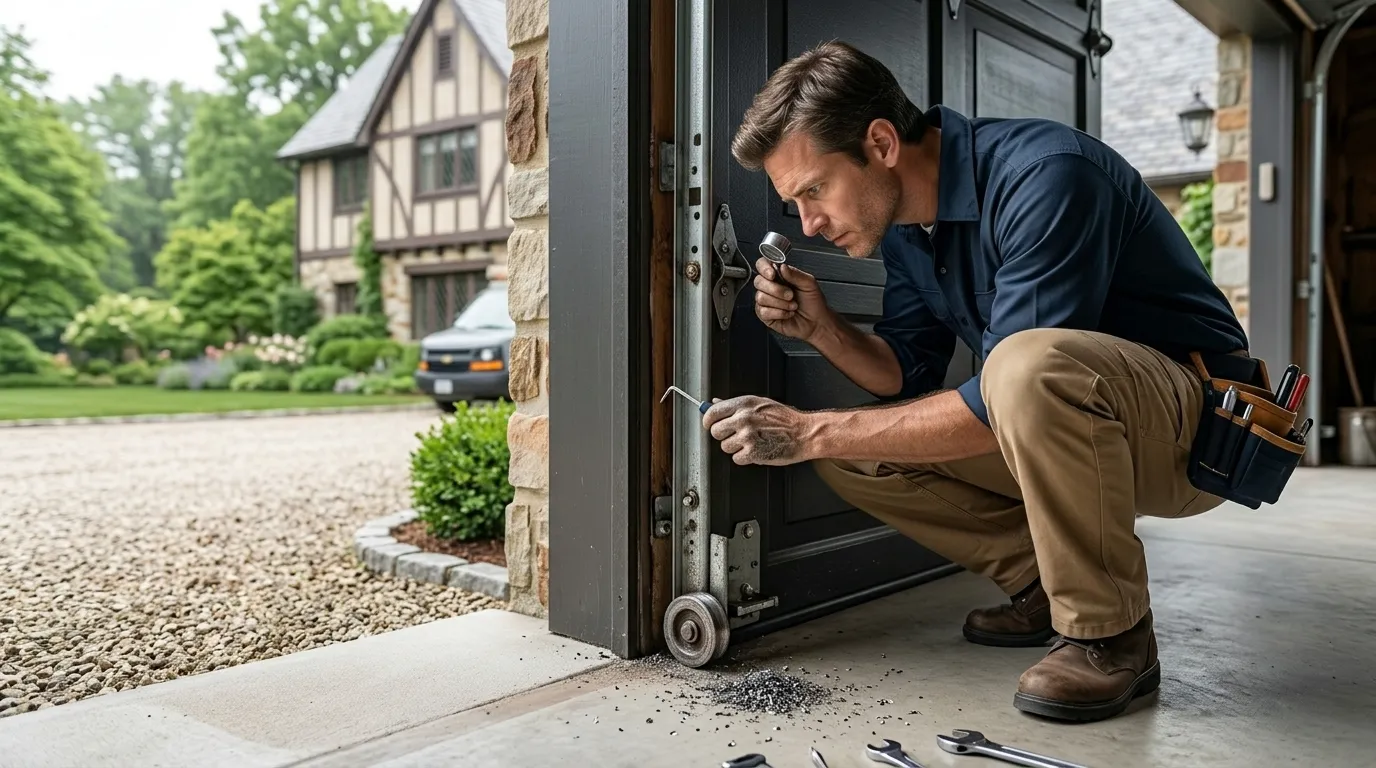
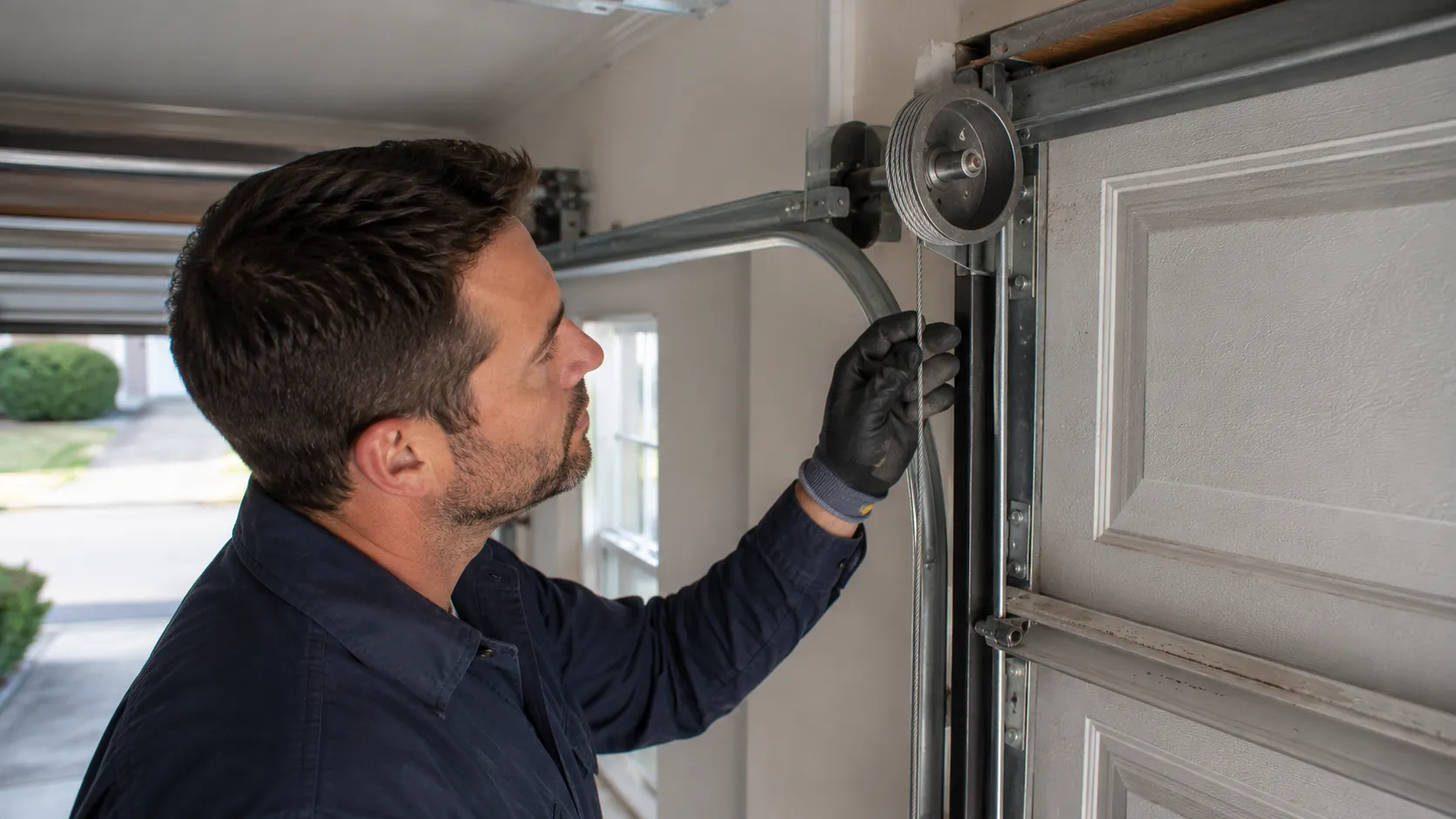
On the first walk-around we're checking the spring type, the track alignment, and whether the panels are steel or an older composite - because with 43,710 owner-occupied houses across the service area and a median household income of $59,346, a lot of what we see is original equipment that's never been swapped, just patched. We look at the bottom bracket for rust bloom, check cable fray at the drum, and test balance by hand before we touch the opener. If the door is fighting the springs, the opener looks like the problem but usually isn't.
We also check the header and jamb for square, since houses from the 1980s-90s stock in this area were framed to codes from that period, and a door that's racked in its opening will burn out a new opener just as fast as an old one. None of this takes long. The point of looking first is to avoid replacing a part that isn't the actual cause - which happens more than you'd think when a homeowner has already guessed at the fix.
What we find
The Situation
Most calls start the same way: a door that's loud, slow, or stuck partway, on a house somewhere in the range of houses built here between 1950 and 2012. We show up, run the balance test, cycle the opener, and check the hardware against what's actually installed rather than what the model number says it should be. A call out near Inwood, two miles off, usually turns up different hardware than one out toward Auburndale, six miles out - not because the towns are different, but because the houses on each street went up in different years.
Across the 27 named areas we run calls in, from Cypress Gardens four miles out to Fort Meade twenty, the age of the door tells you more than the brand does. Once we know what's there, we tell you straight what's worth fixing and what isn't. A service call covers the diagnosis, the adjustment or repair we can do on the spot, and a clear answer on parts we don't carry on the truck.
How we work
Where People Go Wrong
The most common mistake is assuming a noisy door means a dying opener. Nine times out of ten on a house from this era it's the rollers or the spring tension, not the motor - and replacing the opener first just means paying twice. The other mistake is waiting.
A frayed cable or a spring that's lost tension doesn't fix itself, and on doors this old the failure is usually sudden, not gradual - the door comes down wrong, or the cable snaps under load. We'll say plainly: if your door and opener are both original to a house built in the 1980s, sometimes the honest fix is replacement, not another repair, and we'll tell you that instead of billing you for a patch that won't hold. One limitation worth knowing up front - if your door uses an older, less common panel size, matching hardware can take longer to source than a same-day fix, and we'll tell you that before we start, not after.
Questions
Common questions
Why does the age of my house matter for a garage door repair?
Because most houses in this area went up between 1950 and 2012, with the bulk from the 1980s and 90s, the hardware on your door is often original. Springs, drums, and openers from that era don't match current parts one-for-one, so knowing the house's age helps us bring the right hardware the first time instead of guessing.
Does Winter Haven's climate affect how often I need service?
It plays a role, but not the way cold climates do. The mild temperate weather here means we're not dealing with ice-locked tracks or freeze-cracked panels. Wear here comes mostly from cycle count and heat over the decades, not sudden weather damage, which is why regular use eventually catches up with older springs and rollers.
Will a service call always end in a repair?
No. Sometimes the door and opener are original to a house from the 1980s or earlier, and at that point another repair just delays a bigger failure. We'll tell you honestly when replacement is the better move instead of billing for a patch that won't hold.
Ready when you are
Need a garage door sorted in Winter Haven?
Winter Haven Garage Door Pros repairs and installs garage doors, springs and openers in Winter Haven, FL and the surrounding area.