
Guide
Weather Seals and Draughts in Winter Haven Garage Doors
Winter Haven homes built mostly in the 1980s and 90s wear out door seals differently than newer builds. Here's what to check before you assume it's the opener.
Local detail
How Local Conditions Play In
Winter Haven sits in a mild temperate band, so you're not dealing with the freeze-thaw cycles that crack seals up north. That's the good news. The bad news is the mild band still means near-constant humidity and sun exposure, and that combination is what actually breaks down a garage door's weather seal here - not cold snaps.
Bottom seals and side stops made of standard PVC or rubber gaskets dry out, crack, and curl at the edges from UV and heat cycling long before they'd wear out from cold. If your door was installed any time in the last few decades, the seal has been baking and softening every summer, not freezing every winter. That changes what you're actually troubleshooting.
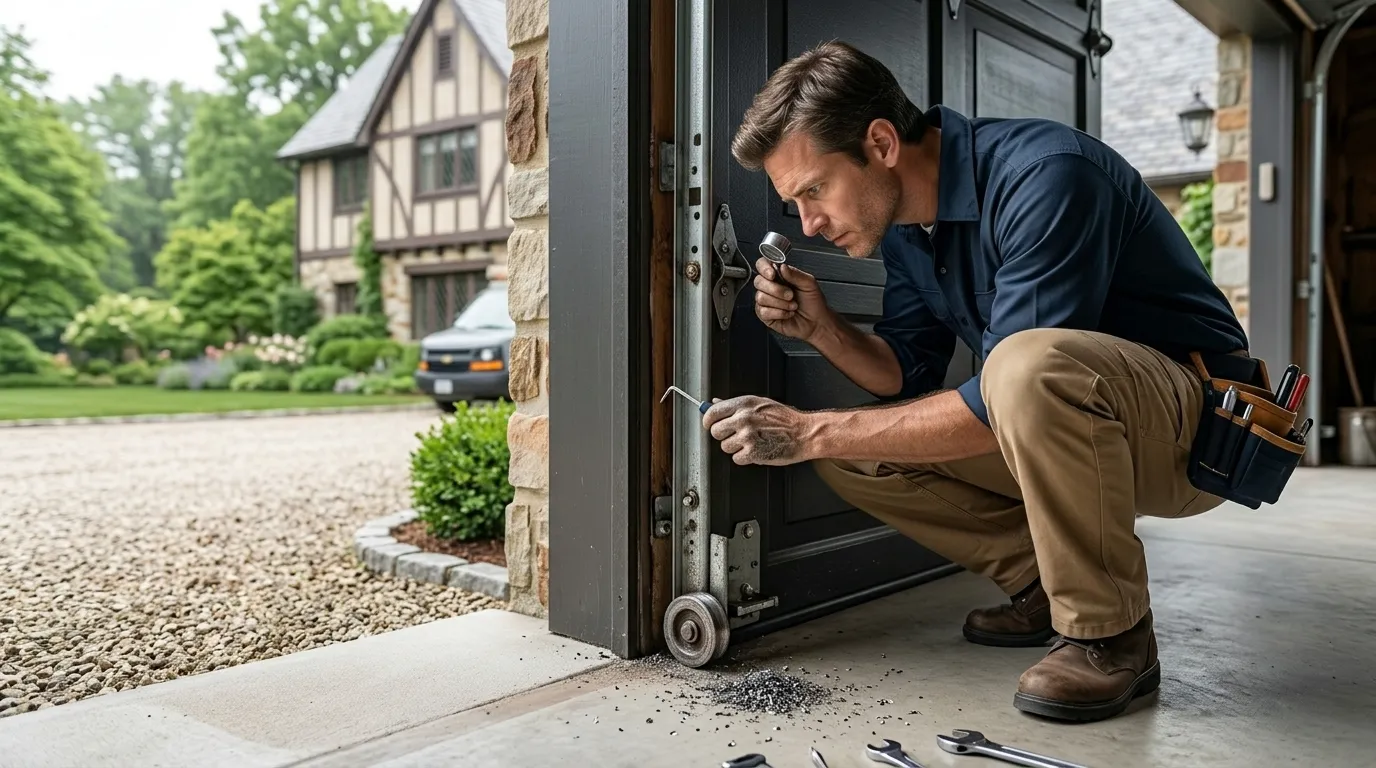
A draught along the bottom edge of the door in a house like this is almost never a warped panel from cold contraction - it's a seal that's gone brittle and pulled away from the slab. Check for gaps you can see daylight through, and check whether the rubber flexes or just snaps when you bend it. If it snaps, it's done, and no amount of adjusting the track or opener limit switches will fix a draught coming from dead rubber.
The area
What to Look At First
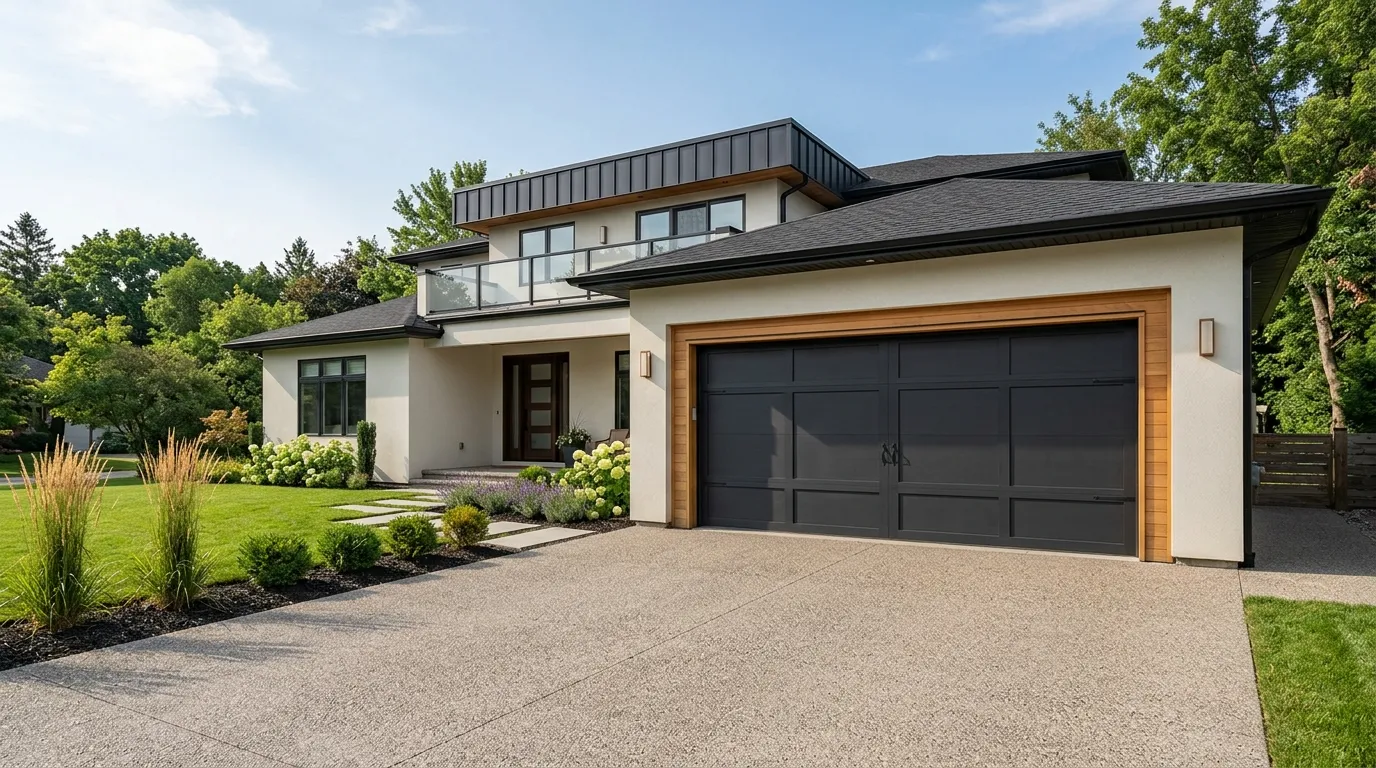
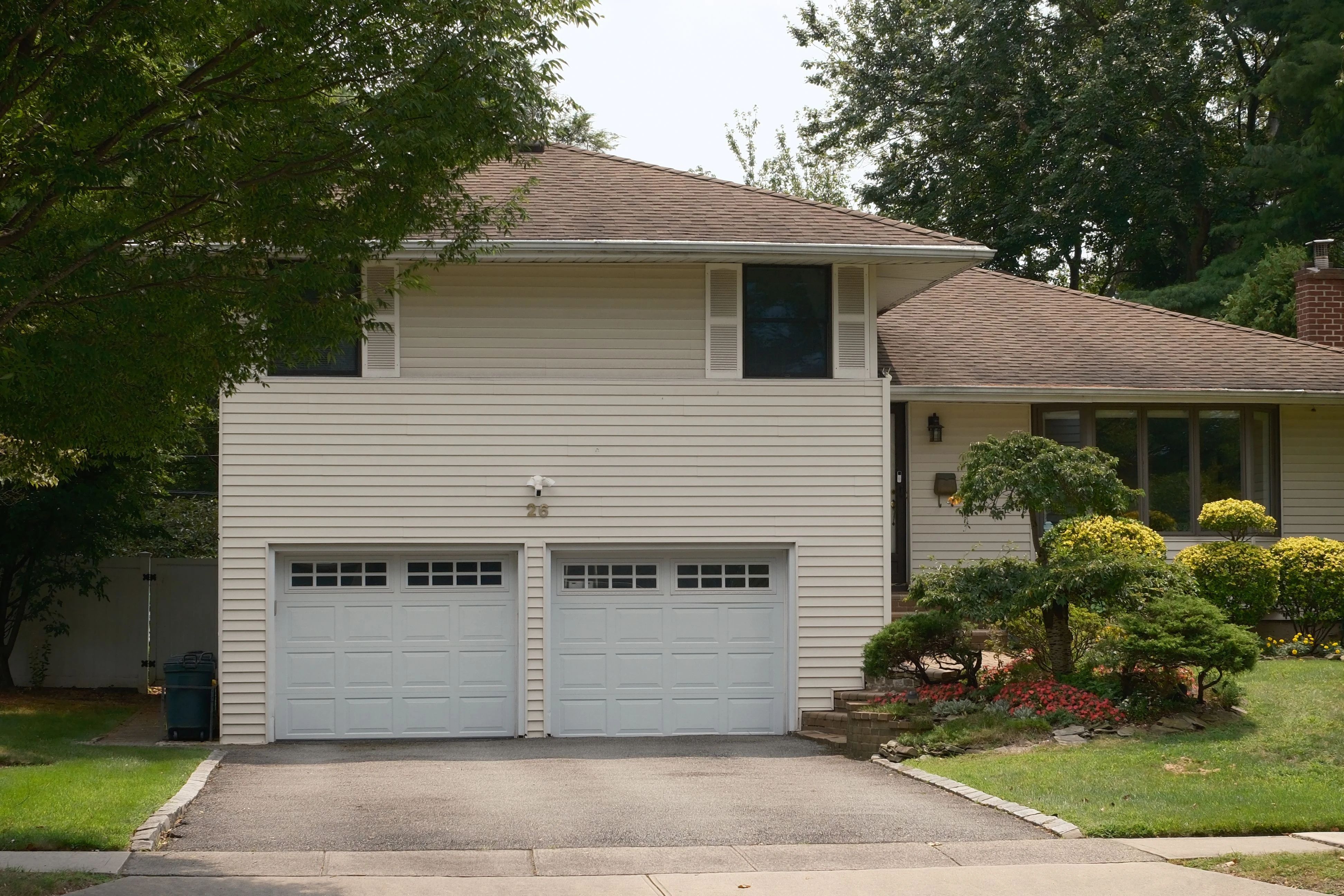
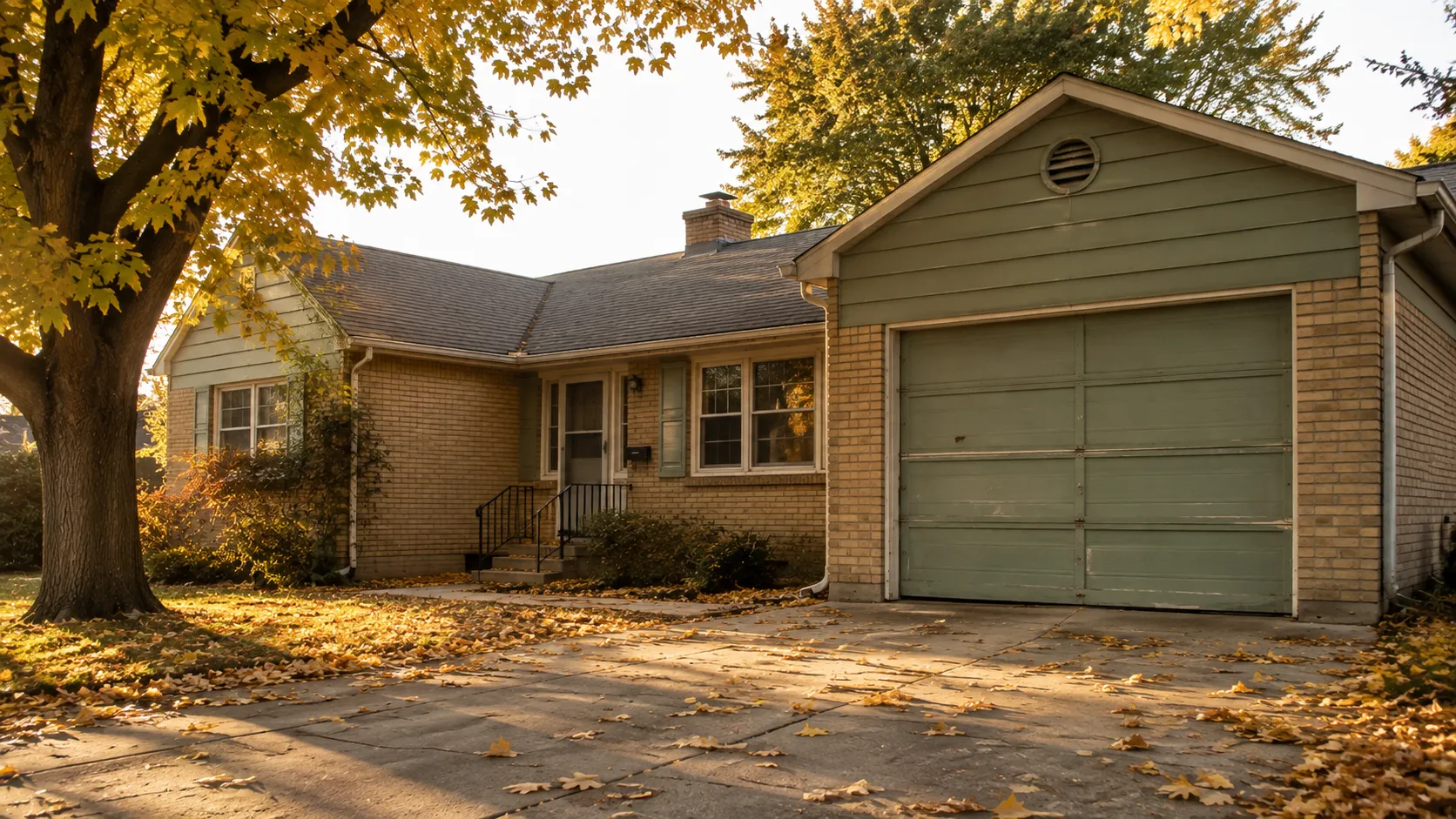
With housing across this area built anywhere from 1950 to 2012, and a lot of it clustering around the mid-1980s, the first thing to look at isn't the door itself - it's when your house was built relative to that median. A house from the 1980s or 90s likely has its original bottom seal track, which was a different profile than what's sold today, and a universal replacement seal from a hardware store may not seat right in an older track without an adapter kit. Check the track shape before you buy a seal.
Second, look at the header seal above the door and the perimeter stop molding around the frame - in this climate these degrade from sun exposure on south and west-facing garages faster than on shaded ones, so a draught complaint on one side of the house and not the other often just tracks the sun path, not a structural issue. Third, check the slab itself for settling gaps; homes on this older end of the build range have had decades for the concrete to shift slightly, and a seal can be perfectly fine while the gap it needs to fill has grown wider than it was designed for.
What we find
The Situation
Across the service area you've got 43,710 owner-occupied houses out of roughly 80,516 households, and a housing stock whose median build year is 1986 - meaning a large share of these garage doors and their seals are original or a first replacement, now well past a normal service life. That's the situation most calls here have in common: not a door that broke suddenly, but a seal system that aged out quietly over years while nobody looked at it. With median household income at $59,346 in this area, most folks aren't in a position to swap the whole door just because the bottom seal is shot, and they shouldn't need to.
A seal replacement is a small, cheap fix compared to a full door, and it's the right call far more often than people assume when they call worried about the cost. The honest limitation here: if the track itself is bent or rusted from years of water sitting against it, a new seal won't hold shape in a bad track, and at that point you're looking at track replacement, not just a $20 gasket. We can tell you which one you've got, but we can't make a bent track hold a seal properly no matter how good the rubber is.
How we work
Where People Go Wrong
The most common mistake is treating a draught as an opener problem. People adjust the down-limit or the force setting, the door slams harder into the slab, and the seal compresses more for a week or two before the same gap comes back - because the rubber was already too far gone to seal, not too loose. Adjusting force settings on a worn seal doesn't buy you anything and can wear the opener's gears prematurely.
Another mistake, common in houses built well before the 1986 median for this area, is buying a generic seal kit sized for modern track profiles and forcing it into an older channel, which leaves gaps at the corners even when the run looks tight in the middle. And a third: ignoring the header and side seals because the bottom one gets replaced and the draught seems to go away, only to have it return once the older side gaskets finish drying out a season or two later. If you're dealing with a persistent draught on a door from this era, it's worth checking all three seal points at once instead of one at a time.
Questions
Common questions
Why does my garage door seal keep cracking even though winters here are mild?
In this climate the damage comes from sun and heat cycling, not cold. Standard rubber and PVC seals dry out and crack from UV exposure over the humid, sunny stretch of the year, which is a longer wear season here than in colder regions where seals mainly fail from freeze-thaw.
My house was built in the 1980s - will a new seal fit the old track?
Not always without an adapter. Track profiles have changed over the decades, and a house built around the local median of 1986 often has an original channel shape that doesn't match a generic hardware-store seal kit. Check the track profile before buying, or bring a photo of the channel in.
Is a draught always a sign I need a new door?
No. Most draughts on doors of this age come from a worn bottom seal or side stop, both cheap fixes compared to full door replacement. The exception is if the track itself is bent or rusted, which a new seal can't fix on its own.
Which side of my garage wears out seals fastest?
South and west-facing garage doors take more direct sun through the day in this area, so their seals tend to dry out and crack faster than shaded, north-facing doors on the same house. If only one side of your garage draughts, sun exposure is often the reason.
Ready when you are
Need a garage door sorted in Winter Haven?
Winter Haven Garage Door Pros repairs and installs garage doors, springs and openers in Winter Haven, FL and the surrounding area.