
Guide
Is Your Winter Haven Garage Door Worth Fixing, or Time to Replace It
Winter Haven homes mostly date 1950-2012, median 1986. Here's how that age and the mild climate change what's worth repairing versus replacing on your door.
Local detail
How Local Conditions Play In
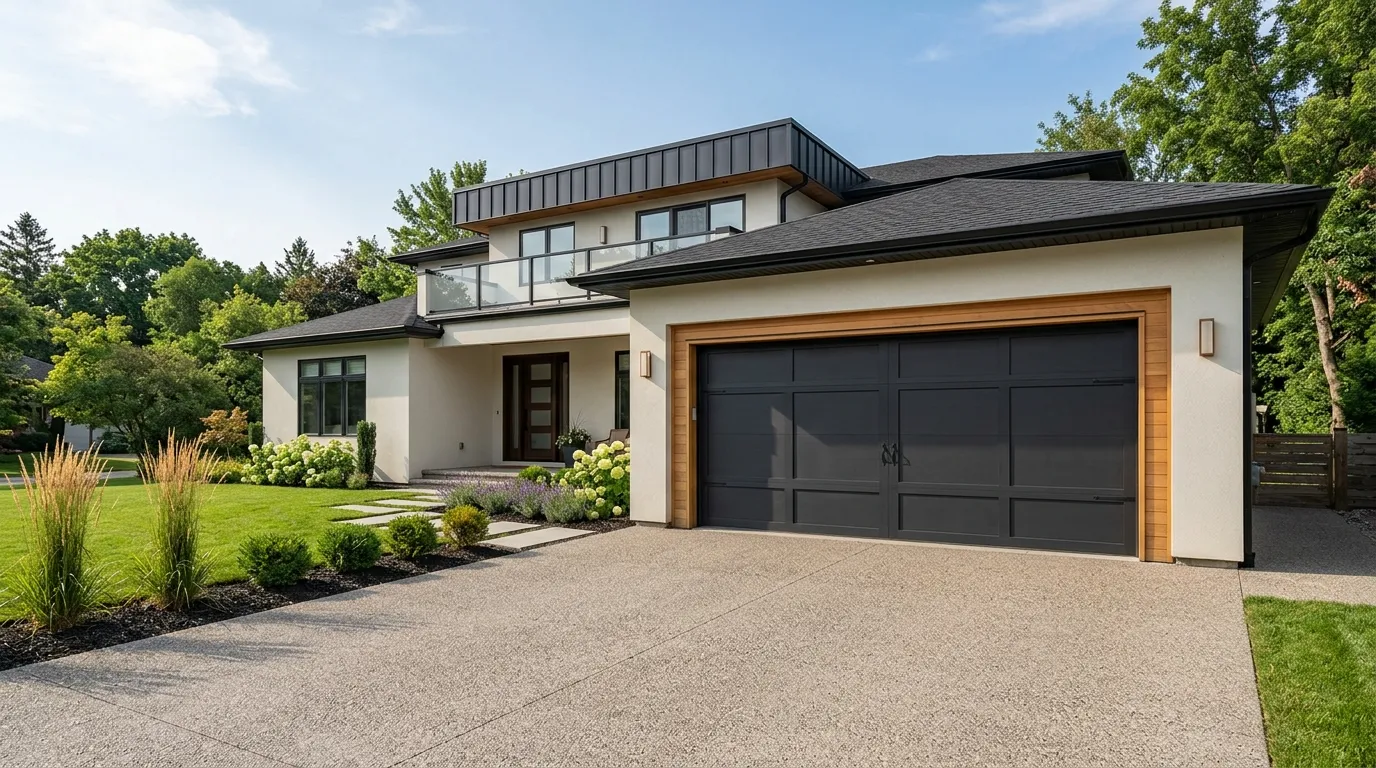
Winter Haven sits in a mild temperate band, and that matters more than most homeowners think when they're deciding whether to fix an old door. You don't get the deep freeze-thaw cycles that crack concrete slabs and warp tracks the way a Midwest winter does, so the metal parts on an older door here - the track, the hinges, the drum - tend to outlast their counterparts in colder places. What does wear out on this schedule is the stuff exposed to heat and humidity swings: weatherstripping dries and splits, spring coating can go brittle, and wood-composite panels from the older end of the local housing stock can delaminate at the bottom corner where water sits after rain.
If your door is from the older end of that 1950-2012 build range, the springs and rollers are often fine. The seals and panel skin are usually the tell. That's a repair, not a replacement, in most cases here.
The area
What to Look At First
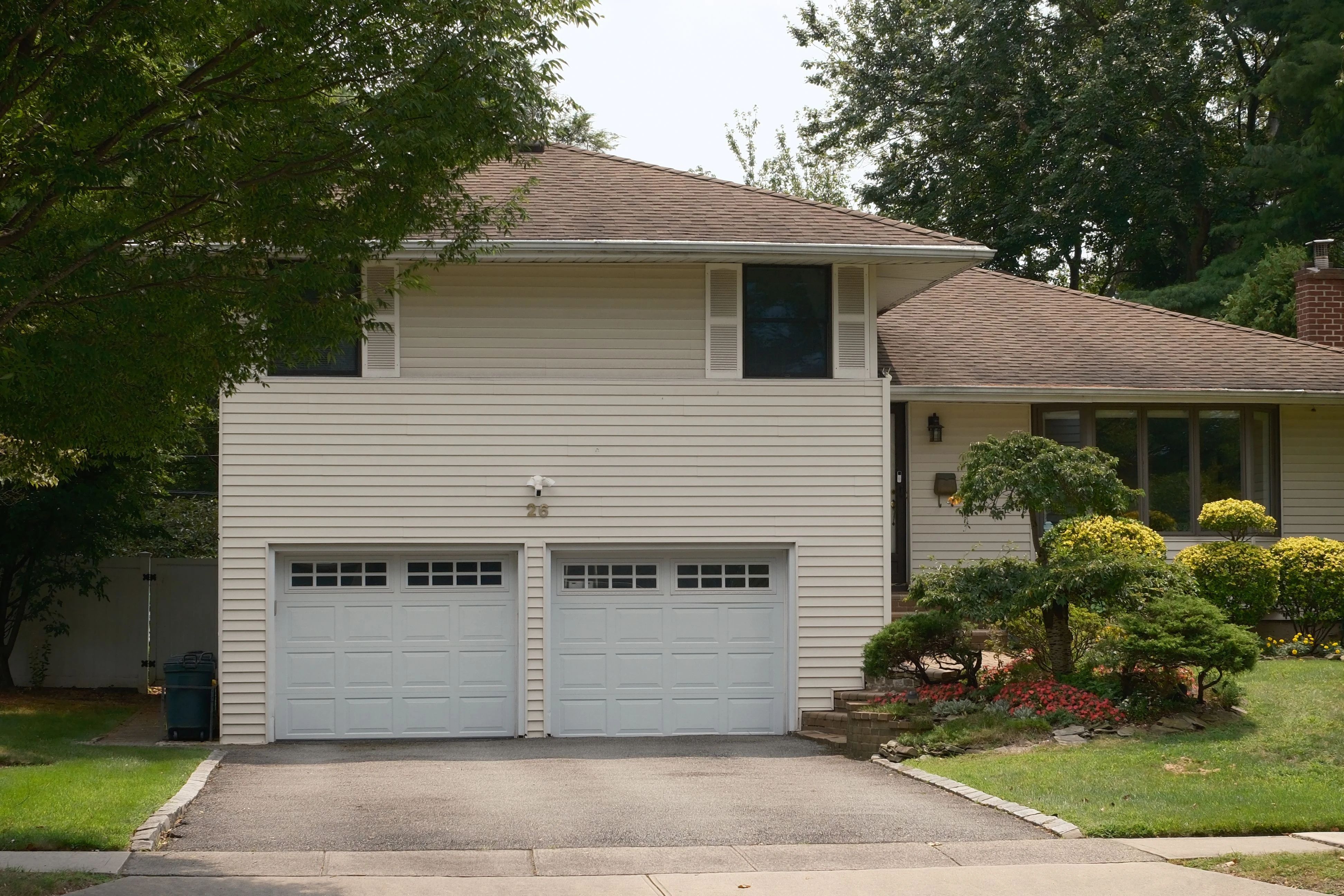
Local housing here runs from 1950 up through 2012, with the median build year landing around 1986, and most of that stock across the 27 communities in this area - Auburndale, Dundee, Lake Alfred and the rest - is 1980s or 90s construction. That era matters because it tells you what hardware is likely behind the door. A door original to a house built in the mid-80s is probably on a torsion spring with a standard 7-foot track, not the older extension-spring setups you'd find pre-1970 or the newer insulated steel doors going into anything built after 2005.
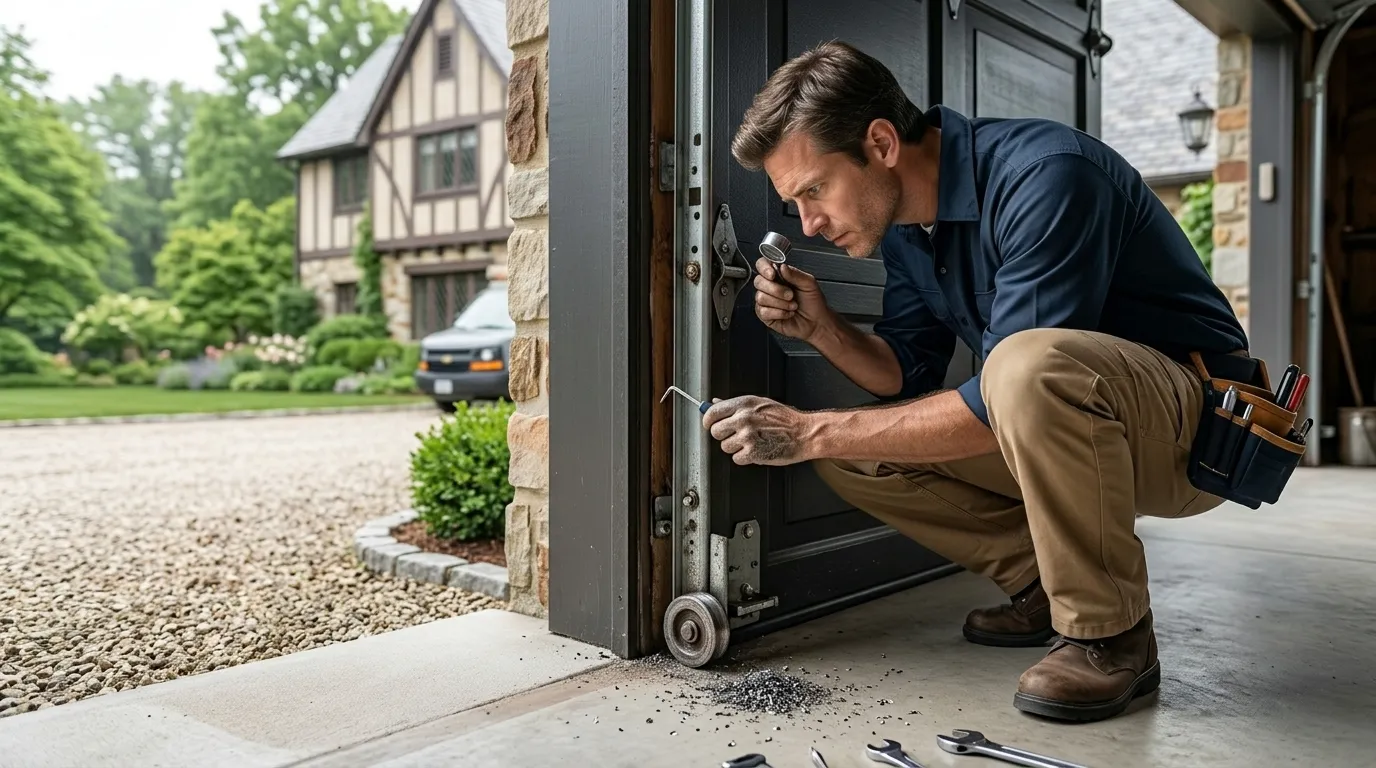
Check the spring first: if it's the original torsion unit and it's never been replaced, it's likely near or past its cycle life just from age, independent of whether it still lifts the door. Second, check the bottom panel for water staining or soft spots. Third, run the door by hand with the opener disconnected - if it's hard to lift or drops fast, the spring is losing tension, and that's a repair worth doing before it snaps a cable.
What we find
The Situation
With a median household income of $59,346 across the service area and roughly 43,710 owner-occupied houses among 80,516 households, a lot of the calls we get are homeowners trying to decide if a repair is worth paying for versus letting the door go. On a door that's structurally sound - steel panel, no rust-through, no daylight showing at the seams - a spring and roller job is almost always the better spend than a full replacement, even on a door pushing 25 or 30 years old.
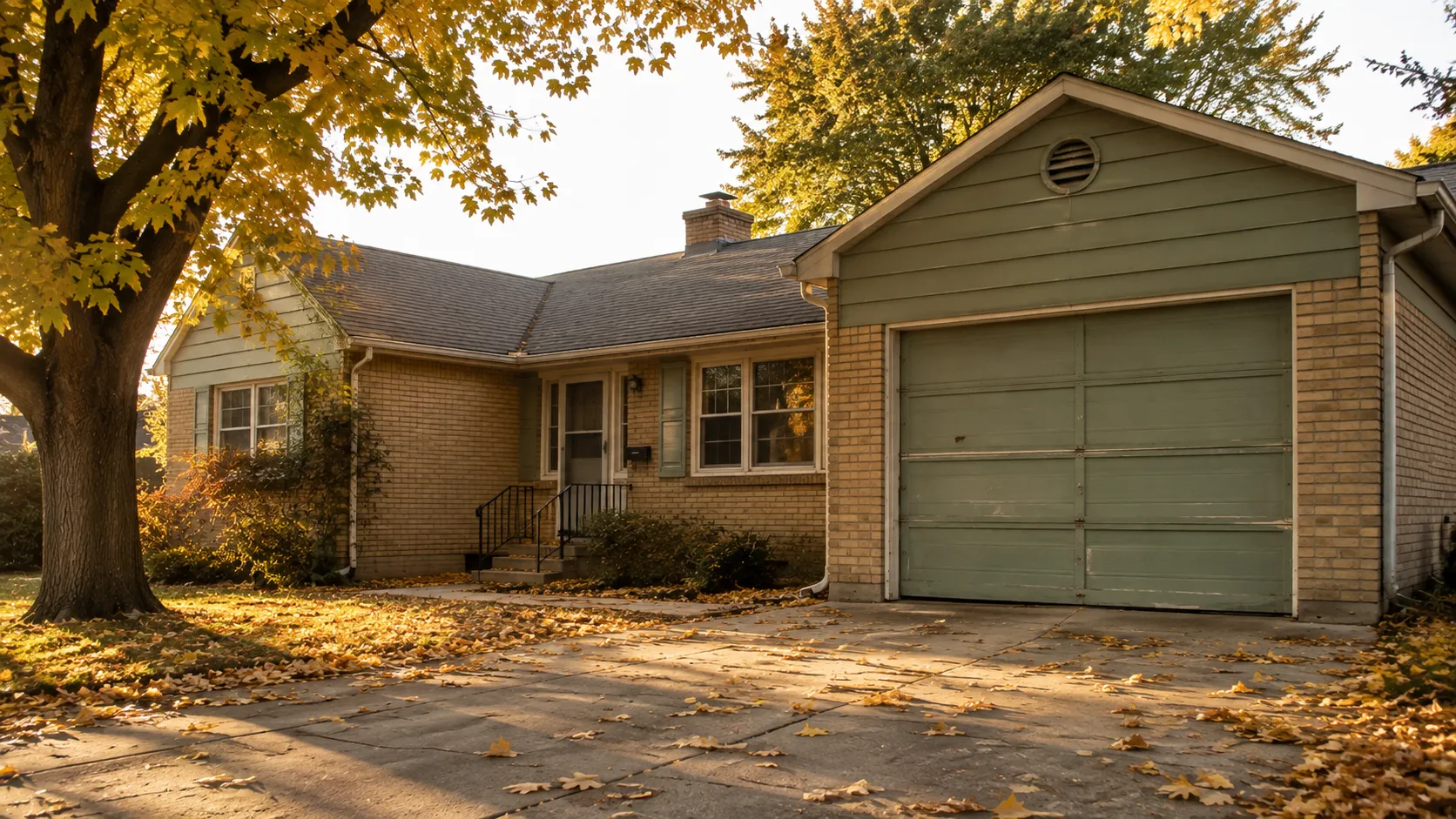
Where it flips is when the panel itself has failed: water damage at the bottom, or a section that's been hit hard enough to bow. At that point you're patching a door that's going to keep failing at the same spot, and the labor to source and swap a single old panel can run close to what a new door costs installed.
How we work
Where People Go Wrong
The most common mistake we see is replacing a spring or opener on a door that's actually failing somewhere else - usually the track alignment or a worn roller nobody looked at. The second is the opposite: buying a whole new door because one panel got dented, when the rest of the door and the hardware behind it are sound.
We'll say plainly that we don't do cosmetic panel painting or touch-up work - if the finish is the only issue, that's outside what we handle. And if a door is original to a house built well before 1980, we'll tell you straight when the parts involved are obsolete enough that sinking more money into that specific unit doesn't make sense, rather than stringing along a repair that won't hold.
Questions
Common questions
How do I know if my garage door spring is original to the house?
If your house was built in the 1980s or 90s, which covers most of this area, and the spring has never been swapped, it's likely original. Look for heavy surface rust or a coating that's flaking off in flakes rather than a smooth wear pattern - that's your sign it's original and near end of life, not that it's fine because it still lifts the door.
Does Winter Haven's climate shorten the life of a garage door?
Not much on the metal parts. The mild temperate band here means you skip the freeze-thaw stress that cracks tracks and slabs elsewhere. What does age faster is rubber weatherstripping and any wood-composite panel material, since heat and humidity swings dry and split seals over time.
Is it cheaper to repair or replace an older door?
If the panel and frame are structurally sound, repair almost always costs less than replacement, even on a door 25-30 years old. It flips once water damage or a bowed panel is involved, since sourcing and swapping a single old panel can approach the cost of a new door installed.
Ready when you are
Need a garage door sorted in Winter Haven?
Winter Haven Garage Door Pros repairs and installs garage doors, springs and openers in Winter Haven, FL and the surrounding area.