
Guide
Why Winter Haven Springs Break on Cool Mornings
Why Winter Haven's older torsion springs snap on cool mornings, not from deep freeze but from decades of cycles in houses built mostly in the 1980s and 90s.
Local detail
How Local Conditions Play In
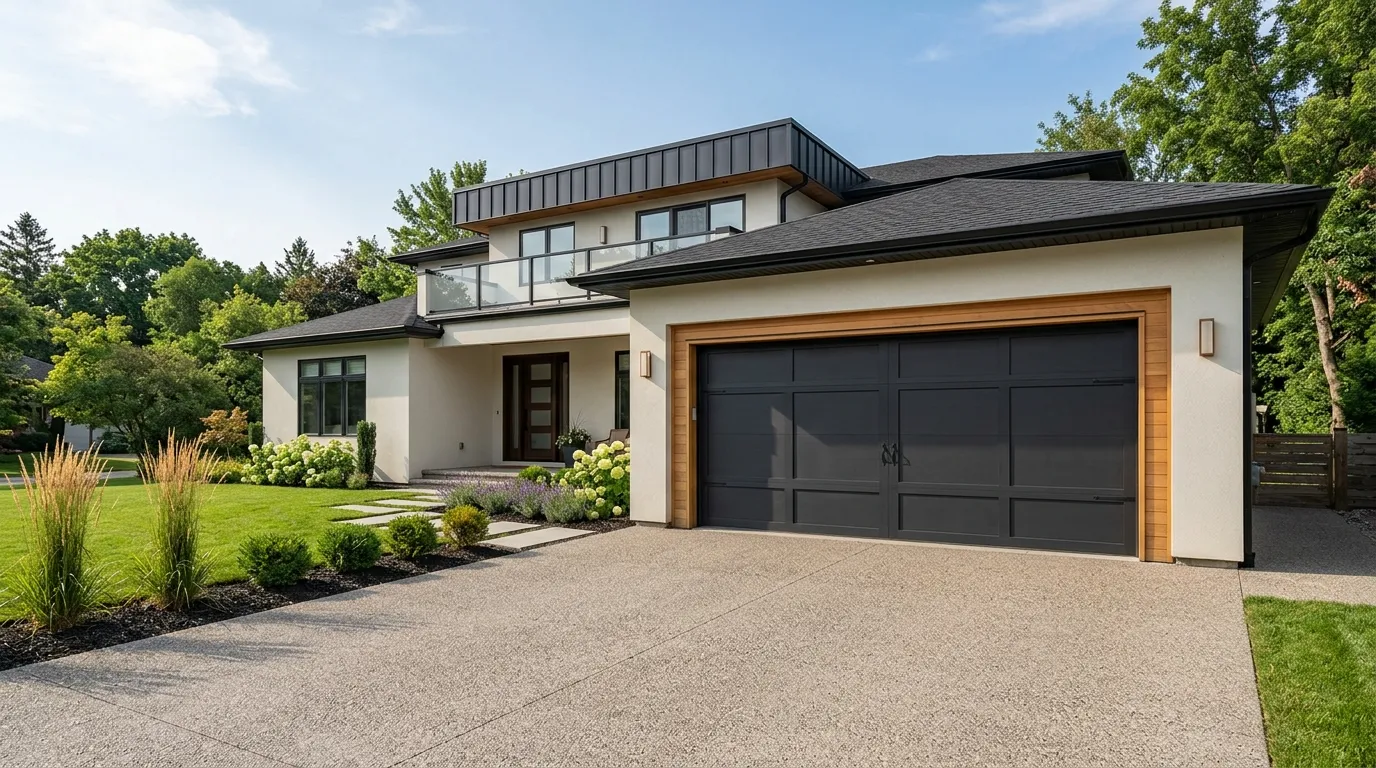
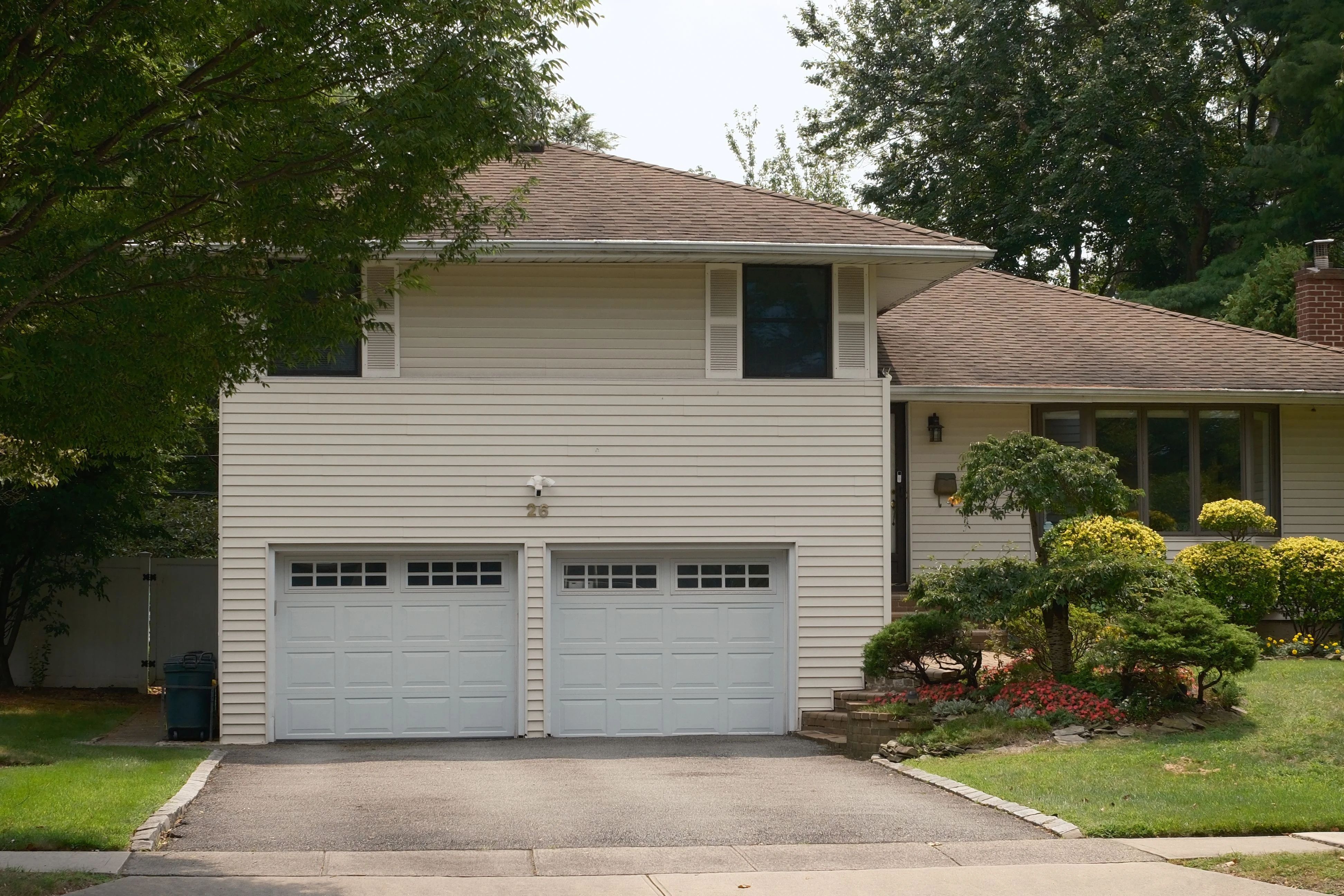
Winter Haven sits in a mild temperate band, so we don't get the hard freezes that snap steel outright. What we do get is a swing - warm afternoons, then a drop into the 40s or 50s overnight - and that swing matters more here because of what's actually holding these doors up. Housing in this service area went up mostly between 1950 and 2012, with the median landing around 1986, and the bulk of it clusters in that 1980s-and-90s window across the 27 communities we cover.
A torsion spring installed when a house was built in 1986 has been through close to four decades of open-close cycles by now. Cold doesn't break that spring. Fatigue does.
What the cool mornings do is stiffen the lubricant just enough that a spring already near its limit finally lets go, and it tends to happen on the first cool snap of the season because that's when the coil finally can't take one more cycle. If your door was quiet all summer and then groans or bangs the first chilly week, that's not the weather doing new damage - that's decades of wear finally showing.
The area
What to Look At First
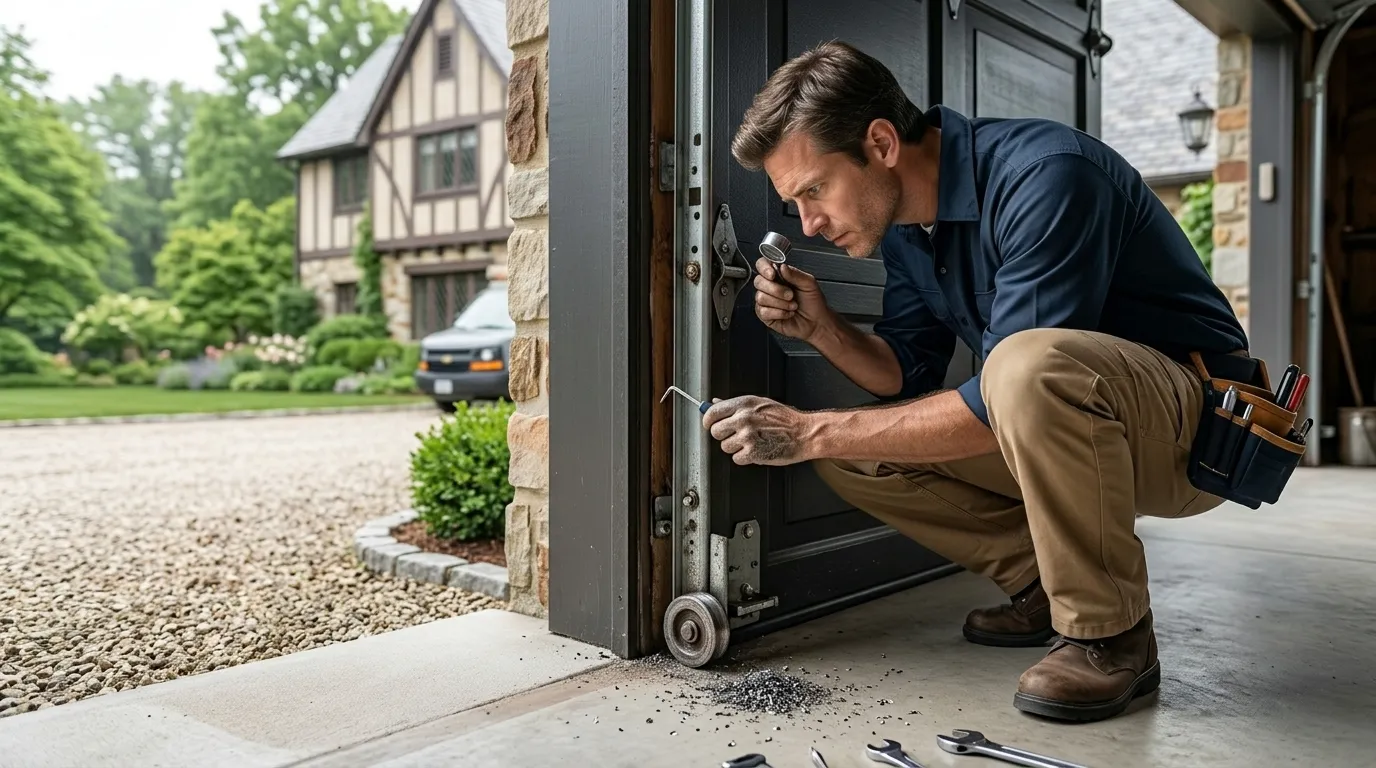
Before you call anyone, look at the spring itself. On a torsion setup, that's the coil mounted horizontally above the door, over the header. Check for a visible gap in the coil or one side sitting noticeably lower than the other - that's a broken spring, not a stuck one. Listen, too. A loud bang from the garage, especially in early morning, is almost always a torsion spring letting go under tension.
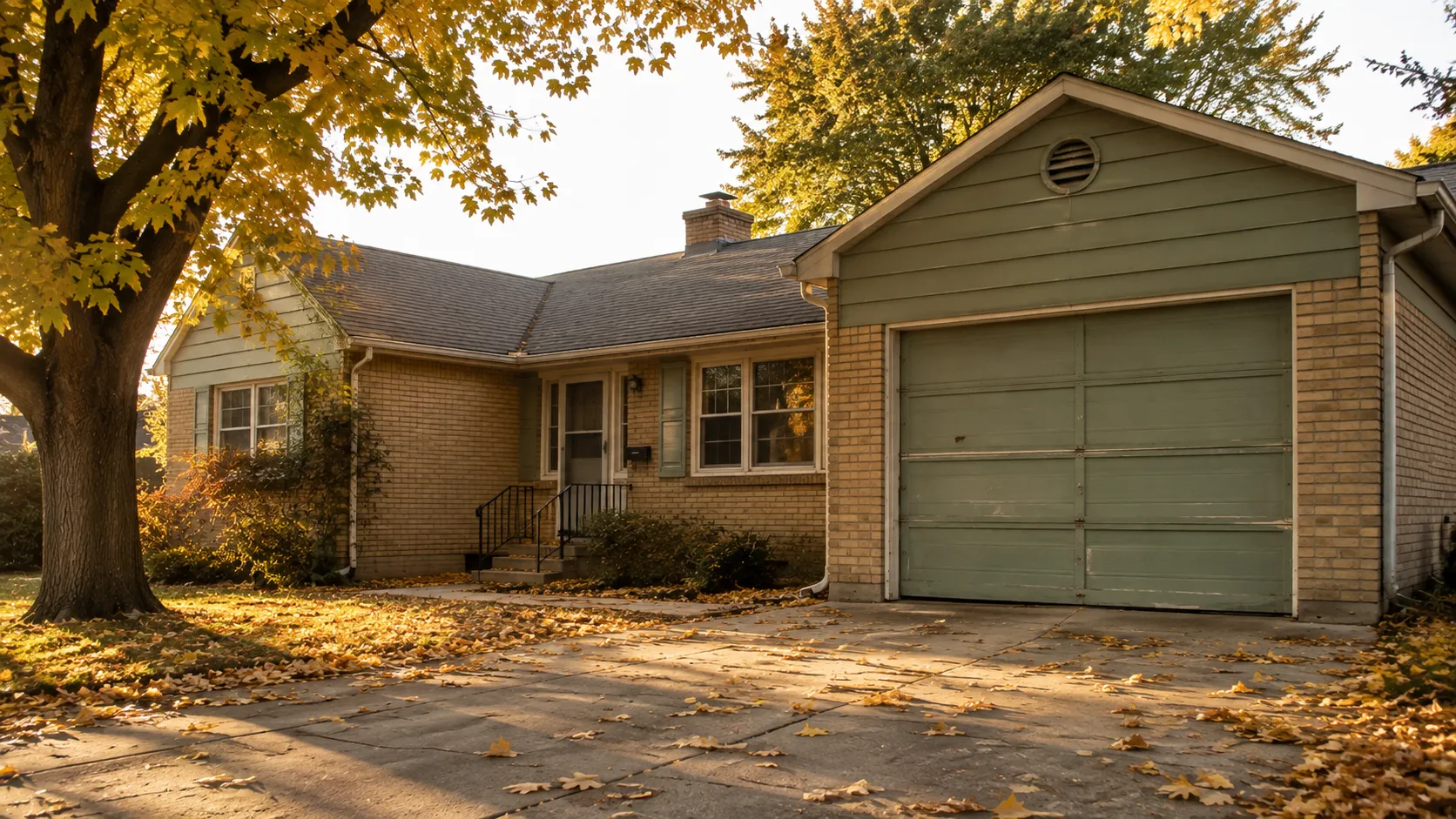
If your house falls into that 1980s-90s build range that's common across this area, the spring is probably original or a straight-swap replacement from years back, and it's carrying age most people don't think about because the door still looked fine yesterday. Extension springs, mounted along the horizontal tracks on either side, fail differently - you'll usually see a stretched or separated coil rather than a clean gap. Either way, don't put your hands near the spring or try to pull the door up by force. A wound torsion spring under tension is not something to test by hand. Note which type you have and roughly how old the door is before anyone comes out - it changes what part gets ordered.
What we find
The Situation
Across this service area there are roughly 80,516 households and 43,710 owner-occupied houses, with a median household income of $59,346. That number matters for how springs actually get replaced here: most owners aren't swapping a spring on a schedule, they're running it until it fails and then calling. That's a reasonable choice - a spring that's working doesn't need attention - but it means a lot of the doors in Inwood, Auburndale, Lake Alfred, and the other named communities out to Fort Meade are carrying original or near-original hardware well past the point where a spring shop would flag it for replacement. It also means when a spring goes in cold weather, it's rarely a surprise mechanical failure out of nowhere.
It's the end of a run that started when the house was built or last remodeled. The honest tradeoff: waiting until failure costs you a jammed door at an inconvenient time, usually the first cool stretch of the year, instead of a planned swap. Neither choice is wrong, but knowing which one you're making helps you plan for it rather than get caught by it.
How we work
Where People Go Wrong
The mistake we see most is blaming the temperature instead of the age. Someone calls saying the cold snap broke their spring, and it's true the timing lines up, but the spring didn't fail because it got cold - it failed because it had been wearing down for thirty-plus years and the cold snap was just the final cycle. Treating it as a one-off weather event means people sometimes replace just the one spring and skip the other side, even though both springs went in at the same time and are under the same fatigue.
If one side is original from a house built in that 1980s-90s window, the other side is too, and it's close behind. One real limitation on our end: some older torsion springs used gauges and wind lengths that aren't common stock anymore, and matching them can take longer than a same-day swap. If your door is on the older end of that 1950-2012 range, ask about lead time before you assume next-day service - sometimes it's fast, sometimes the part has to come in.
Questions
Common questions
Why did my garage door spring break on the first cold morning of the year?
The cold didn't cause the break - it triggered it. Most springs here are original to houses built in the 1980s or 90s, and a spring that age has already been through decades of cycles. Cooler overnight temperatures stiffen the lubricant slightly, and that's often enough to push an already-fatigued spring over the edge. The real cause is age, not the weather.
Should I replace both springs if only one broke?
If your door has two torsion springs, they were almost always installed at the same time and carry the same number of cycles. One breaking is a strong sign the other is close behind. Replacing only the failed one often means a second call within a year or two, especially on older houses in this area's 1980s-90s stock.
How do I know if I have a torsion or extension spring?
Torsion springs mount horizontally above the door, over the header, and wind under tension. Extension springs run along the horizontal tracks on either side of the door and stretch instead of winding. Knowing which type you have before you call helps get the right part ordered the first time.
Is it worth replacing a spring on an older door instead of the whole opener setup?
Usually, yes - a spring is a mechanical part separate from the opener motor, and replacing it doesn't touch the opener at all. It only makes sense to look at the whole system if the door itself is failing in other ways, like a warped panel or worn rollers, on top of the spring.
Ready when you are
Need a garage door sorted in Winter Haven?
Winter Haven Garage Door Pros repairs and installs garage doors, springs and openers in Winter Haven, FL and the surrounding area.