
Guide
What Winter Haven's Housing Stock Means for Your Door
Winter Haven homes span 1950 to 2012 construction, a mild coastal-inland climate, and 27 nearby communities. See what that means for your garage door.
Local detail
How Local Conditions Play In
Winter Haven sits in a mild temperate band, not the kind of climate that puts a torsion spring through daily freeze-thaw stress or swells a wood jamb every winter. That matters when you're diagnosing a door that's suddenly hard to lift: here, it's rarely the cold cracking a spring the way it would further north. More often it's just age catching up with the hardware. Most houses in this area went up between 1950 and 2012, with the typical build year landing around 1986, so a large share of the doors, tracks, and openers on the road are pushing three or four decades old regardless of how the weather's treated them.
Humidity and heat still matter - they dry out lubricant faster and can warp a hollow-core panel over years - but the mild band means we're troubleshooting wear and neglect more than storm damage or ice. If a door's binding or a spring's gone, look at the calendar on the house before you look at the sky. That's the more useful clue in a climate this steady.
The area
What to Look At First
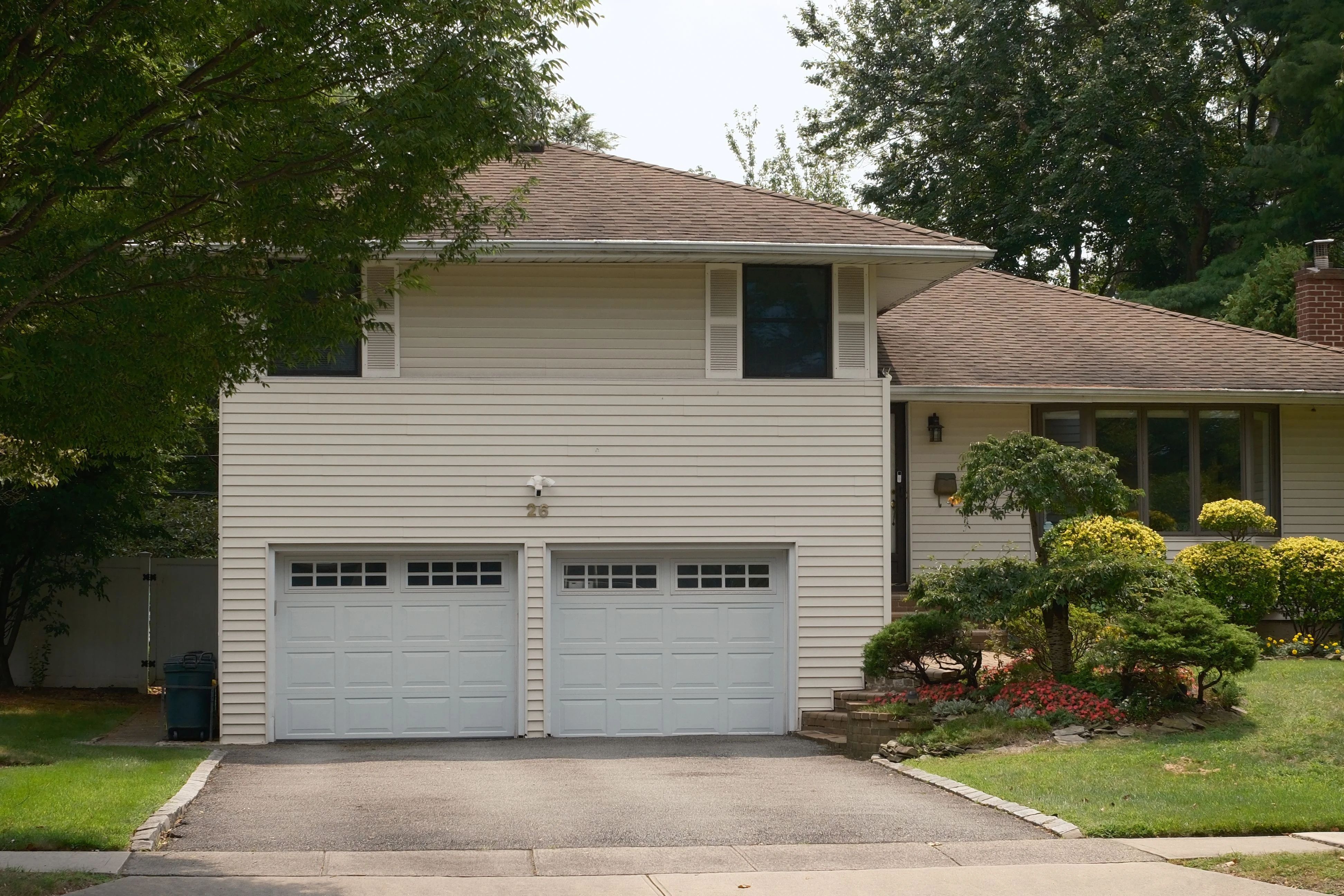
With a median build year around 1986 and stock ranging from 1950 up through 2012, the first thing worth checking is which era your door belongs to. A door and opener from the 1980s or 90s - the bulk of what's out here across the 27 communities in this service area - usually means a steel roll-formed door on a standard torsion spring, often with an opener that's had at least one motor or logic board replaced already. Older 1950s-60s stock, less common but still around, sometimes carries a heavier one-piece door on side-mounted hardware that most shops don't stock parts for anymore.
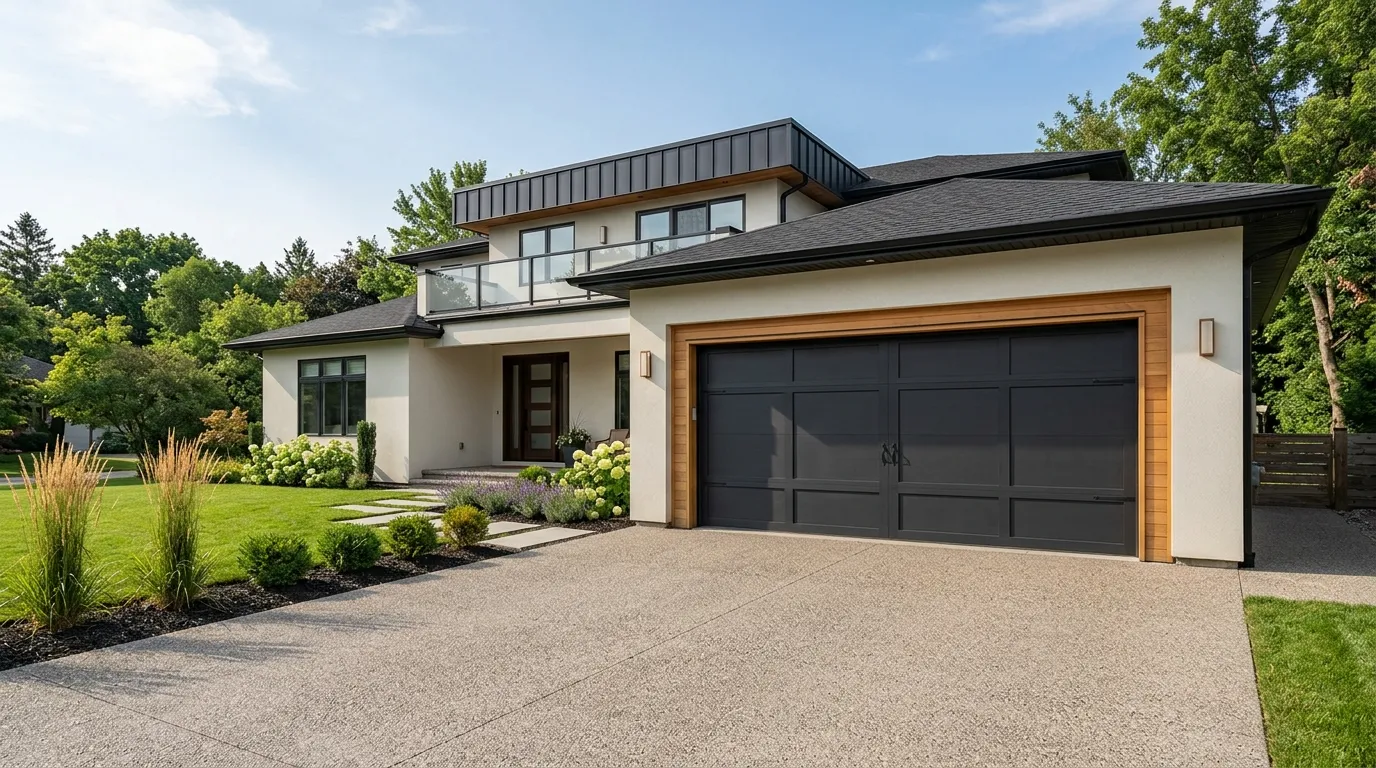
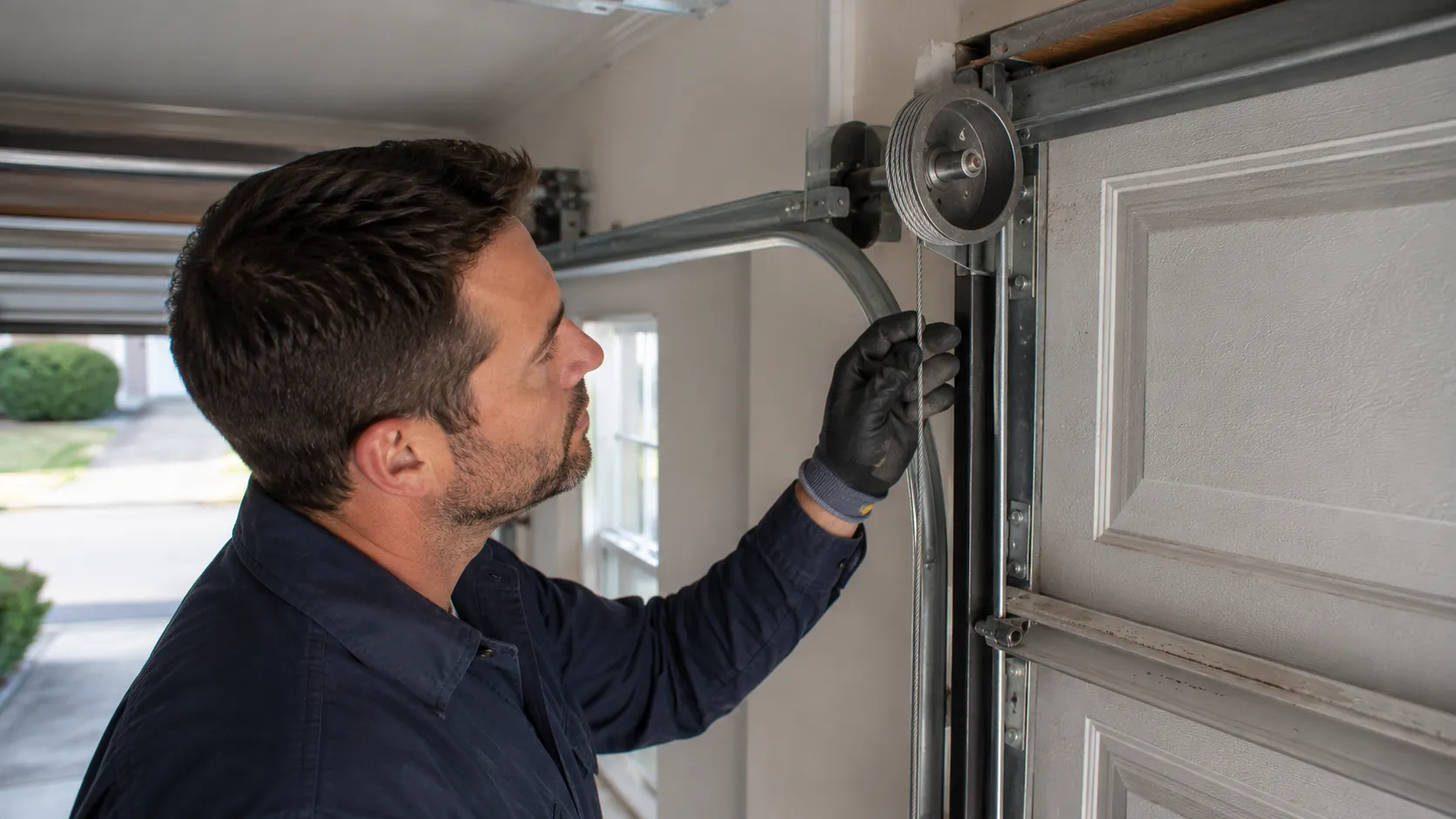
Newer builds closer to 2012 are more likely to have insulated sectional doors and a modern opener with rolling-code safety sensors. Before you call anyone, look at the spring type (torsion coil above the door versus stretch springs along the tracks), count the panel hinges for rust, and note whether the opener has a visible manufacture date on a sticker inside the housing. That one detail - which decade your setup belongs to - narrows the diagnosis more than anything else you can check yourself.
What we find
The Situation
This service area covers 80,516 households and 43,710 owner-occupied houses, spread across 27 named communities from Inwood two miles out to Fort Meade twenty miles south - places like Cypress Gardens, Lake Alfred, Auburndale, and Dundee in between. That spread matters because it's not one subdivision built in one year; it's decades of construction layered next to each other, so a repair truck working this territory sees 1986-era torsion setups on one street and newer insulated sectional doors a few miles away.
Median household income here is $59,346, which shapes how people approach a broken door - most owners are deciding whether a repair carries the door another five or ten years, not automatically defaulting to a full replacement. That's a reasonable instinct with hardware this age: a lot of these doors were built solid enough to keep going with a spring swap or new rollers instead of a teardown.
How we work
Where People Go Wrong
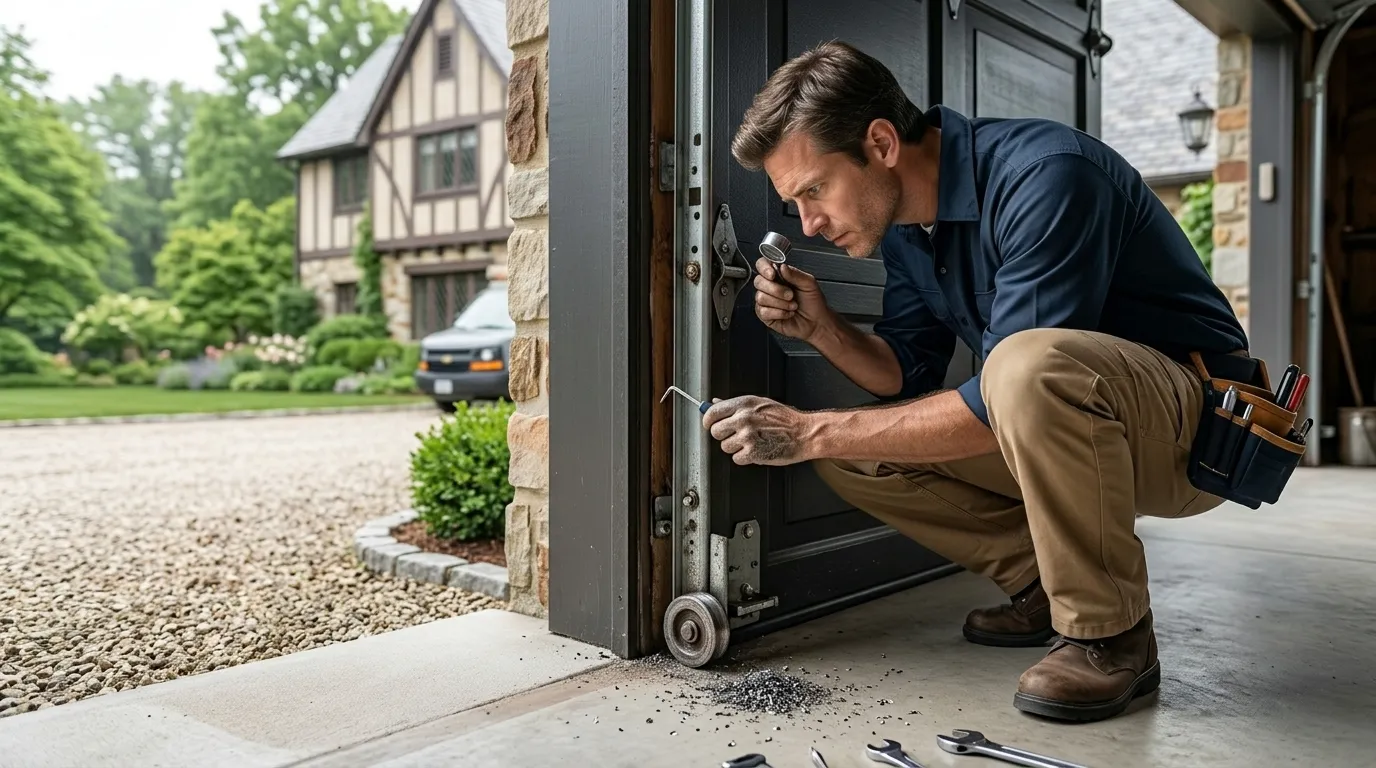
The most common mistake we see is treating every stuck or noisy door the same way regardless of its age. A door built in the 1990s with worn rollers just needs rollers. A door from the 1950s or 60s with a warped panel and obsolete hardware is a different conversation - sometimes the honest answer is that sourcing parts for a 60-year-old track system costs more in time and money than replacing the door outright, and we'll say so rather than stringing along a repair that won't hold.
Another mistake: assuming the mild climate here means doors don't need seasonal attention. They still need lubrication and a hardware check even without hard freezes, because heat and humidity dry out grease and loosen fasteners just as surely, only more quietly. And homeowners sometimes wait to call until a spring is fully snapped instead of when it's just showing wear - a frayed cable or a spring with visible gaps between coils is the moment to get it looked at, not after the door won't budge.
Questions
Common questions
Why does the age of my house matter for garage door repair in Winter Haven?
Because most homes here were built between 1950 and 2012, with the typical build year around 1986, the hardware on your door - spring type, track style, opener design - depends heavily on which decade it went in. A 1980s torsion setup and a 1950s side-mounted one need completely different parts and approach.
Does Winter Haven's climate cause garage door problems the way cold winters do up north?
Not the same way. The mild temperate band here means we don't see springs snapping from freeze-thaw cycling like colder regions do. Heat and humidity still dry out lubricant and can warp panels over years, so doors still need attention, just from a different set of causes.
Is it worth repairing an older door instead of replacing it?
Often yes, especially on 1980s-90s stock that makes up most of the housing here - a spring or roller job can carry it another decade. On the oldest homes with obsolete side-mounted hardware, parts get harder to find, and at that point replacement is usually the more honest answer.
Ready when you are
Need a garage door sorted in Winter Haven?
Winter Haven Garage Door Pros repairs and installs garage doors, springs and openers in Winter Haven, FL and the surrounding area.