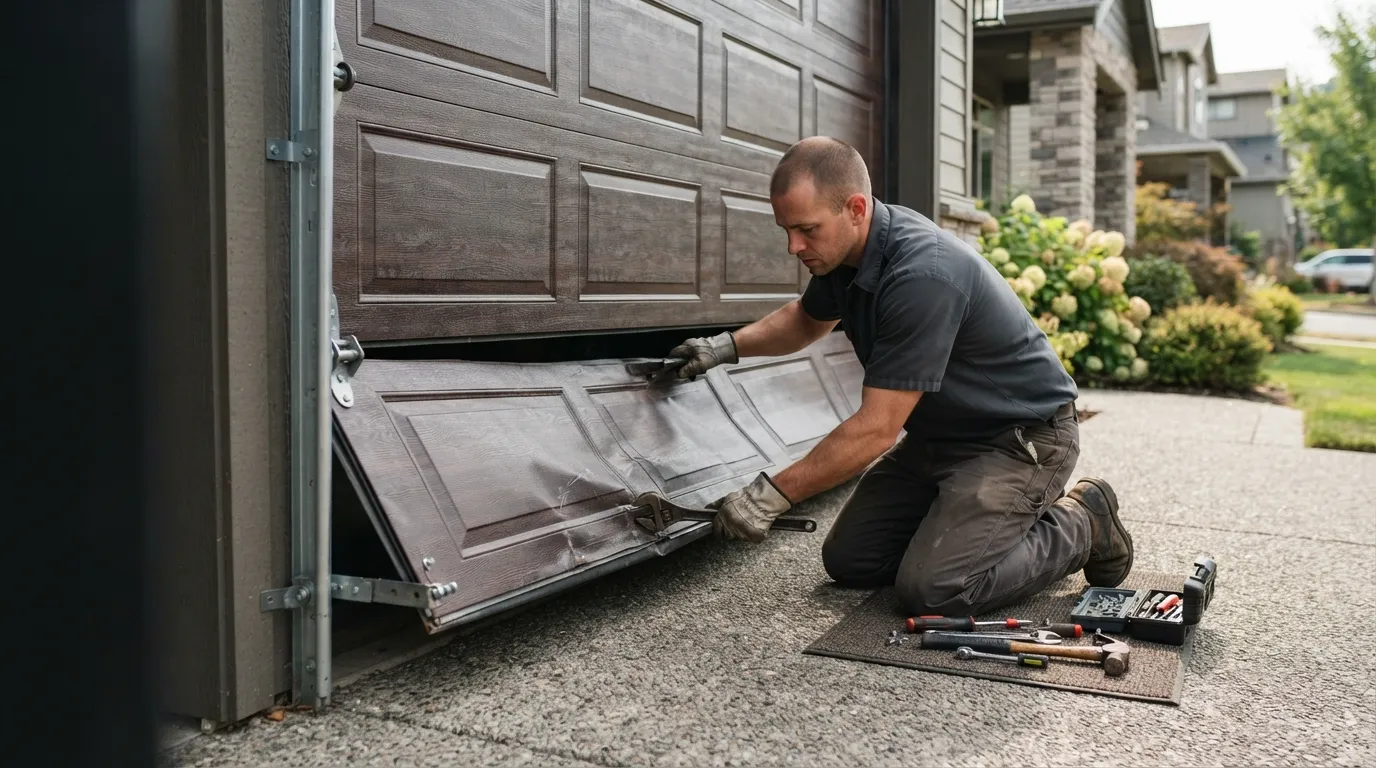
Median household income here runs $68,854, well above the $59,346 average across the wider service area, and that shows up in the kind of doors we see - more insulated steel panels, more owners who've already replaced an opener once rather than running the original into the ground. But income doesn't change what heat and humidity do to steel and nylon rollers over thirty-some years.
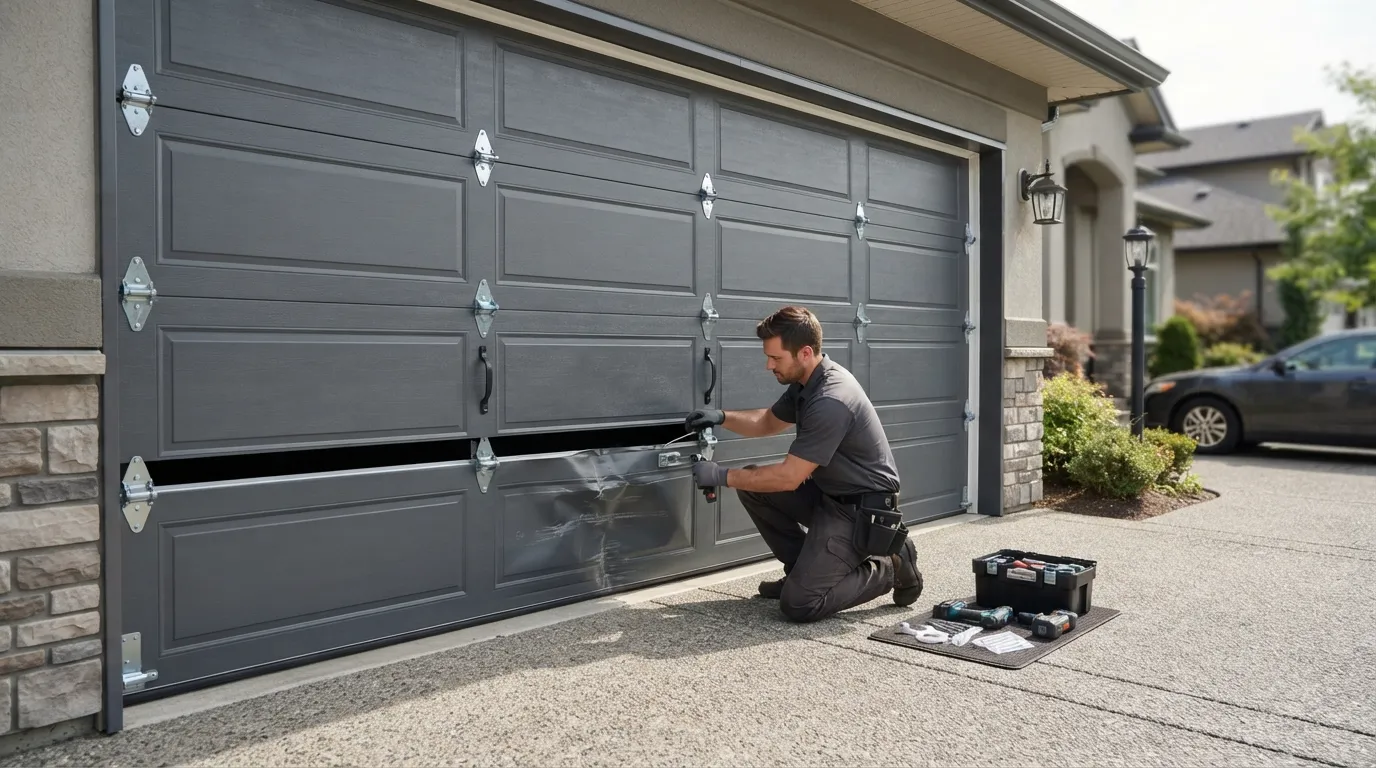
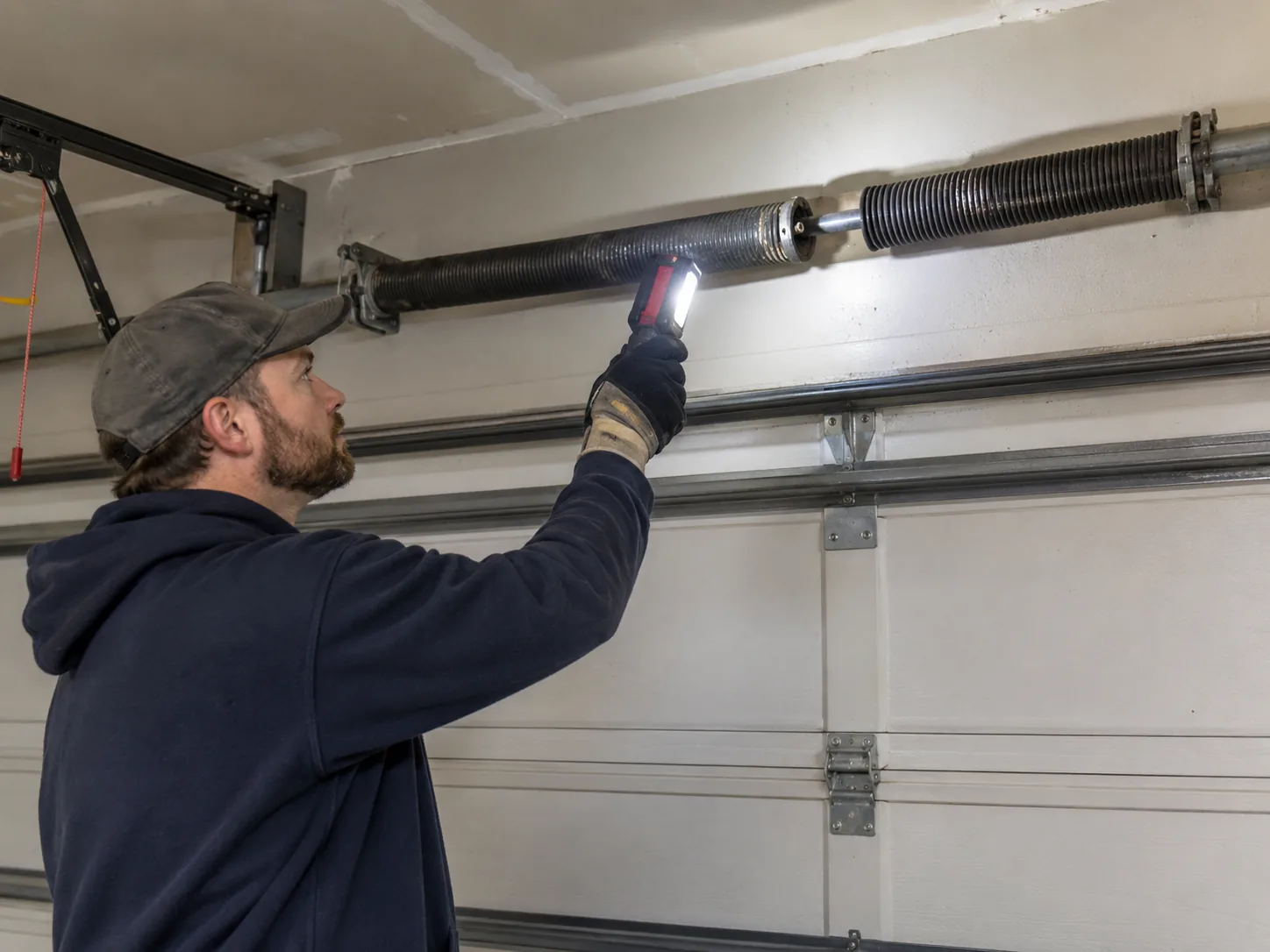
The climate band across this whole area is mild, not the hard-freeze conditions that crack seals or seize springs outright. What it does instead is slow, steady: nylon rollers dry out and crack, galvanized cable strands corrode a little at a time in the humidity, and torsion springs lose a percentage of their lift every year they sit under tension. None of that is dramatic until the day the spring lets go and the door won't budge.
Houses from the 1986 era typically came with a lighter-duty spring than what's sold today, sized for a lighter door than the insulated replacements a lot of owners install later. That mismatch is the single most common reason a 'new' door still won't lift right - the spring underneath it is the old one.