
Asymmetric spring replacement history
That's usually a spring or cable that's aged asymmetrically, which happens more often on older torsion setups where one spring's been replaced at some point and the other hasn't.
Bartow, Winter Haven
Bartow homes mostly went up around 1976, a decade ahead of the wider service area's stock. That older hardware needs a different maintenance eye. Serving Bartow from Winter Haven, 12 miles out.
Booking
We're not based in Bartow. We run out of Winter Haven, about 12 miles up the road, and maintenance visits get scheduled around that drive rather than dispatched from a depot down the street.
That means we batch Bartow calls where we can, so if you're flexible on the day, you'll usually get a faster slot than if you need a fixed morning. Bartow's housing skews older than a lot of what we cover - a median build year around 1976, versus the mid-1980s median across the wider area.
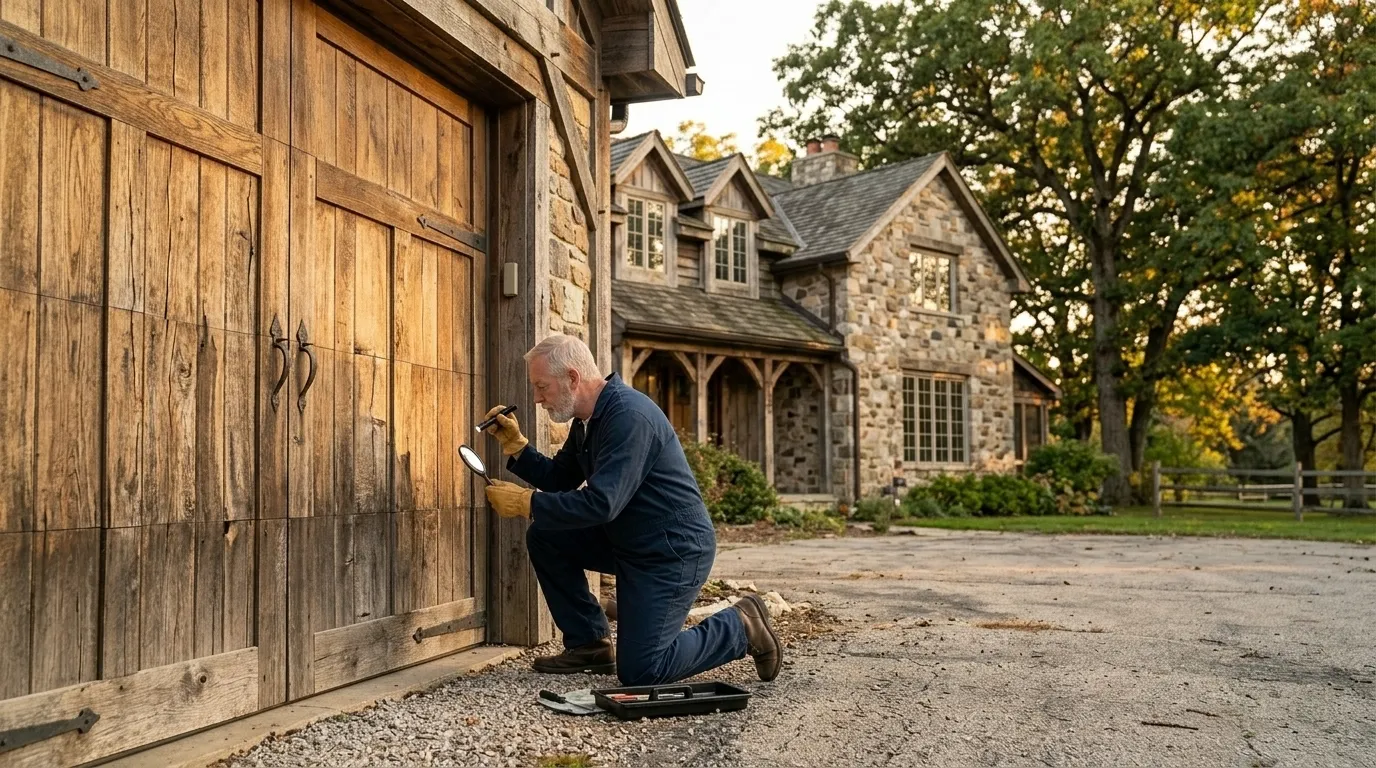
That matters for maintenance because a door on a house from the mid-70s has usually been through at least one replacement opener and maybe a spring swap already, and the hardware underneath can be a mismatched stack of eras. A maintenance visit here is as much about figuring out what's actually installed as it is about lubricating and tightening.
If you've already got a specific complaint - grinding, sticking, a door that won't fully close - that's a repair call, not a maintenance visit, and it's worth booking as one. See our Bartow garage door repair page for that, or the Winter Haven maintenance page for how we handle newer builds closer to town.
Pricing
We don't have a Bartow-specific maintenance price to quote here, and we won't invent one. What we can tell you is that cost on an older door usually isn't flat - a 1976-era track system with a retrofitted opener takes longer to inspect properly than a door and opener installed as a matched set, because we're checking two systems that weren't designed together rather than one.
Mild central Florida winters mean we're not budgeting time for ice-stiffened seals or frozen tracks the way a maintenance visit up north would. That keeps the visit shorter on the weather side. Where the time goes instead is hardware that's aged past its original spec - springs sized for a lighter door than what's hanging on them now, or brackets that have been re-drilled once already.
Ask for a number when you book. We'd rather quote against what's actually on your garage than guess at it here.
Symptoms
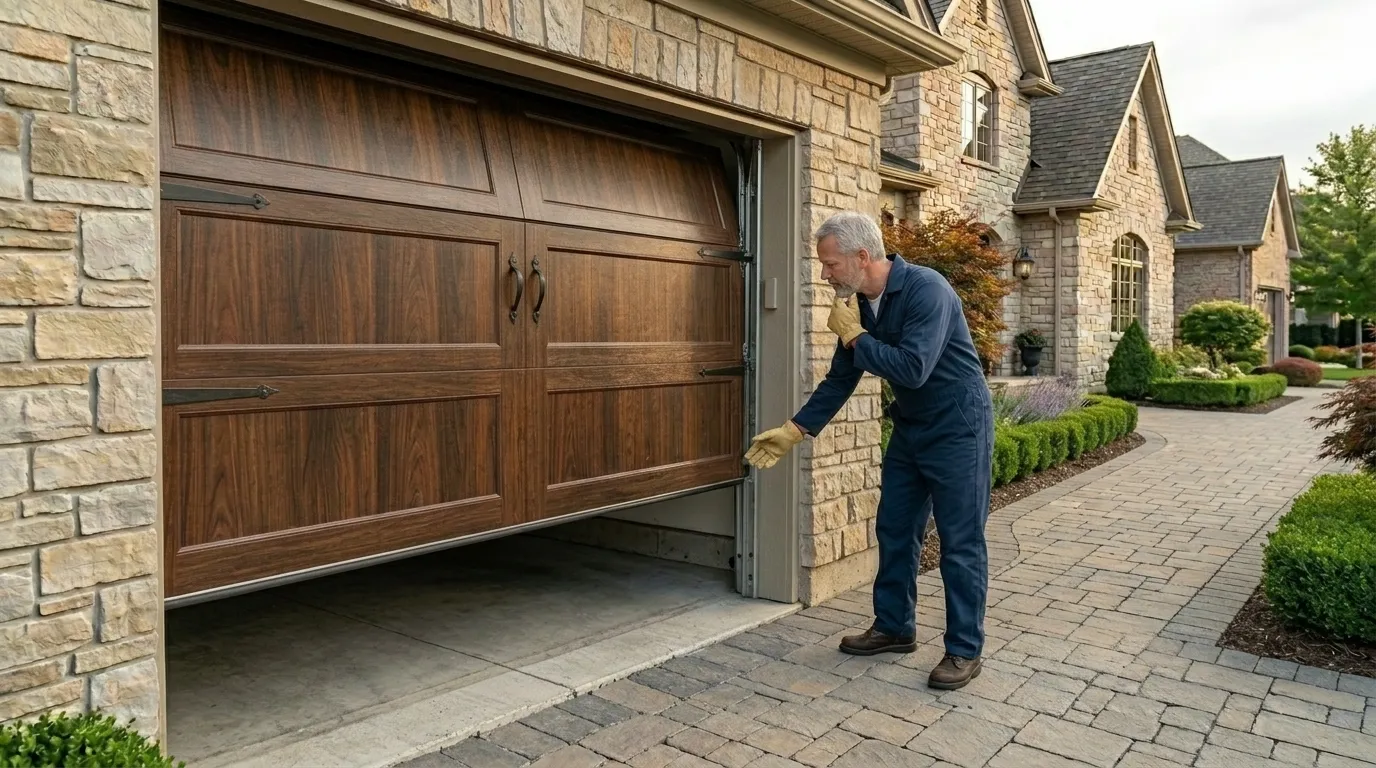
On a house built in the mid-1970s, the complaint we hear most isn't a dead opener - it's a door that closes unevenly, dropping faster on one side than the other.
That's usually a spring or cable that's aged asymmetrically, which happens more often on older torsion setups where one spring's been replaced at some point and the other hasn't.
A door of this vintage was also built to a lighter standard than what's sold today, so if a homeowner's added insulation panels or a heavier opener since, the original spring is often working harder than it was sized for.
That shows up as slow closing, a door that reverses partway, or a spring that hums under strain instead of moving quiet. Bartow's climate doesn't add humidity swelling or freeze-thaw cracking to the list - mild temperate conditions mean the panels themselves usually aren't the problem. It's almost always the moving hardware, not the door skin.
The repair
Maintenance on a door from this era starts with figuring out what's original and what's been swapped, since a house built around 1976 has often had one repair generation already pass through it.
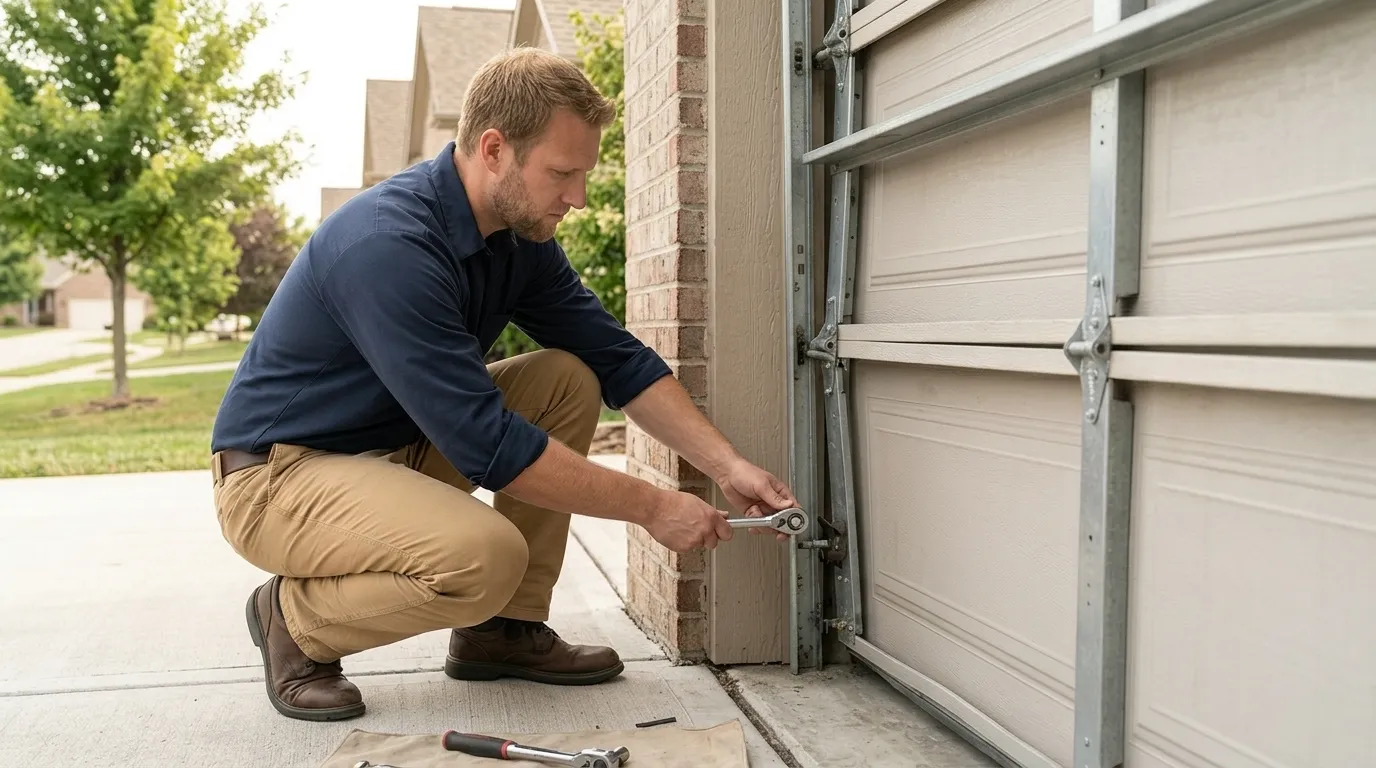
We check spring balance first - lift the door halfway by hand with the opener disconnected and see if it holds. If it doesn't, that's the asymmetry showing up before it becomes a full failure.
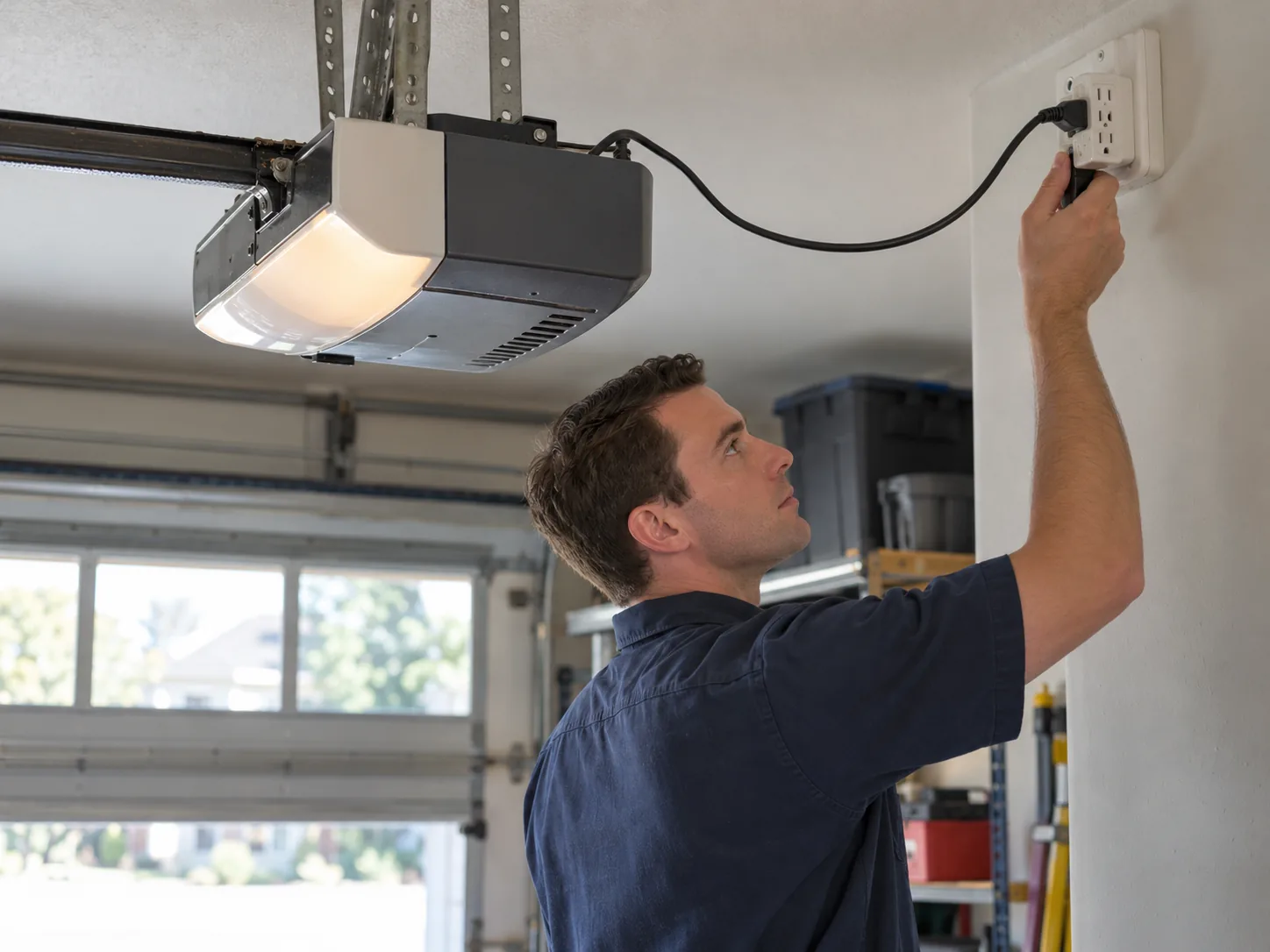
From there it's rollers, hinges, and track alignment, tightened and lubricated, and a check of the cable drums for fraying, which shows up more on older doors that have cycled tens of thousands of times. We also check the opener's force settings against the door's actual weight, since a lot of these doors are running heavier than their original spring spec after an insulation retrofit or a panel swap.
We don't replace parts on a maintenance visit unless something's failing outright. If a spring's marginal but not broken, we'll tell you what to expect and how long it's likely to hold, rather than pushing a repair you don't need yet.
Watch-outs
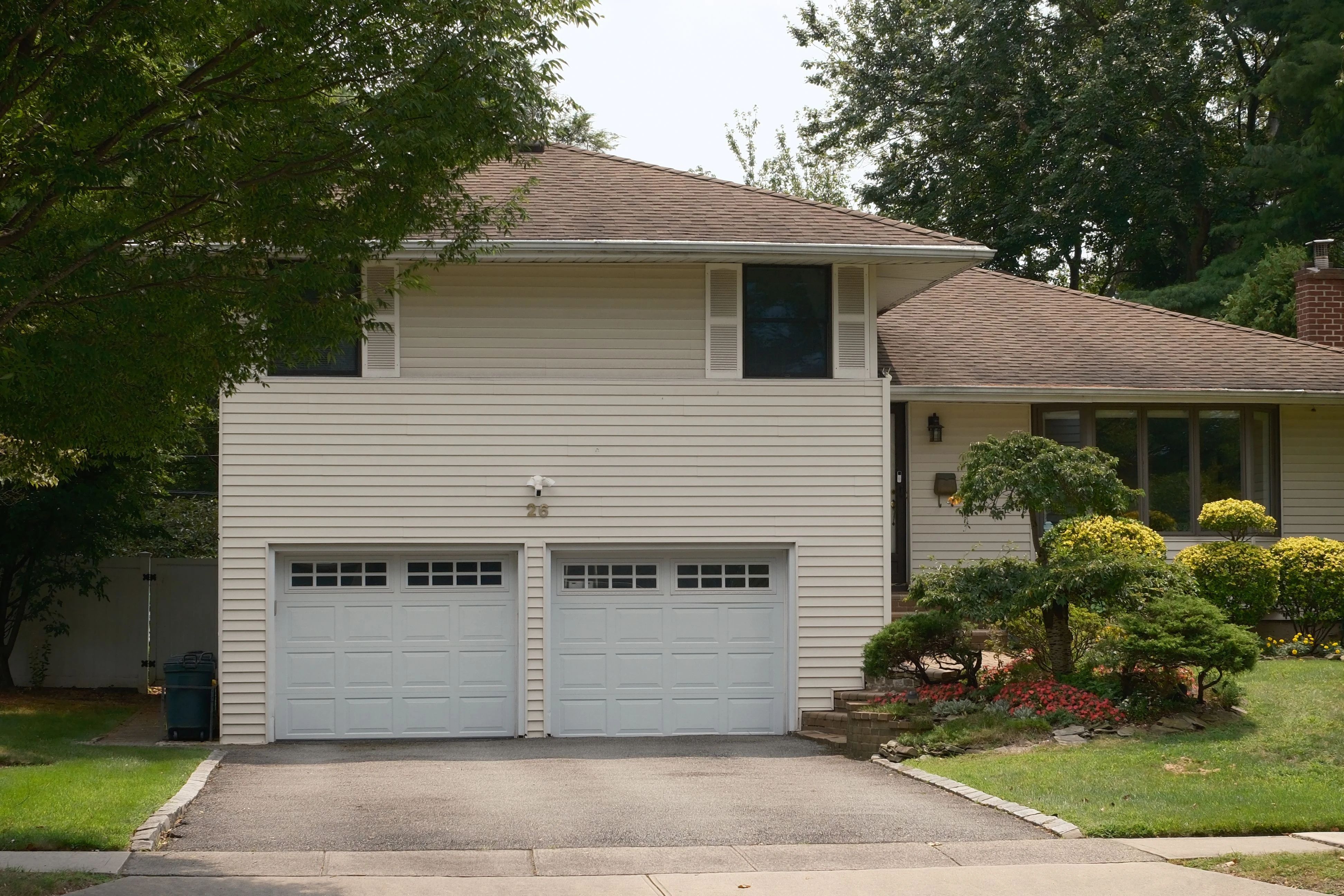
The main risk on a Bartow-era door is a spring that's been quietly overloaded for years finally letting go - and on a mid-70s torsion setup, that can mean hardware that's harder to source a matching replacement for than it would be on a newer install. We stock common sizes, but an odd original spring sometimes means a short wait on parts rather than a same-visit fix.
The other thing we watch for is a retrofit opener bolted to an original bracket that was never rated for it. That's not something a lube-and-tighten visit fixes; it's a structural mismatch, and if we find one, we'll flag it rather than paper over it with maintenance.
We're honest that maintenance has limits. If a door's spring, cables, and opener are all original from the 1970s and all showing wear together, a repair visit that patches one part often just moves the failure to the next part a few months later. At that point replacement is usually the better spend, and we'll say so.
Questions
We don't have a fixed interval to give you that's specific to Bartow, but a door built to a mid-1970s spec with hardware that's likely been through at least one retrofit is worth checking more often than a newer matched system - annually at minimum, since mismatched-era hardware wears unevenly.
No. We operate out of Winter Haven and travel to Bartow, about 12 miles away, for scheduled visits. There's no local depot, so maintenance appointments get built around that drive time rather than same-day walk-ins.
Bartow sits in a mild temperate band, so we're not dealing with freeze-thaw cracking or ice-stiffened seals the way colder regions do. The wear we see is mechanical - aged springs and cables - rather than weather damage to the door panels themselves.
Not on its own, but it means the spring was likely sized for a lighter door than what may be hanging there now if panels or the opener were upgraded since. That's exactly what a maintenance check looks for - whether the original hardware still matches the current load.
Explore more
Ready when you are
Winter Haven Garage Door Pros repairs and installs garage doors, springs and openers in Winter Haven, FL and the surrounding area.